

I. Case Information:
- Case No: AD OI – 13/2024
- Date of Issue: August 14, 2024
- Investigating Authority: Directorate General of Trade Remedies, India
- Complainant: Indian Steel Association (“ISA”) on behalf of domestic producers, specifically JSW Steel Limited and ArcelorMittal Nippon Steel India Limited (hereinafter referred to as “the complainants”)
- Reason for Investigation: Based on the petition filed by the complainants, the investigating authority found sufficient preliminary evidence of dumping by Vietnamese companies, causing material injury and posing a threat of further injury. As a result, on April 14, 2024, the Directorate General of Trade Remedies, India, decided to initiate an anti-dumping investigation under Section 9A of the Customs Tariff Act, 1975 and Article 5 of the WTO Anti-Dumping Agreement.
II. Product under Investigation:
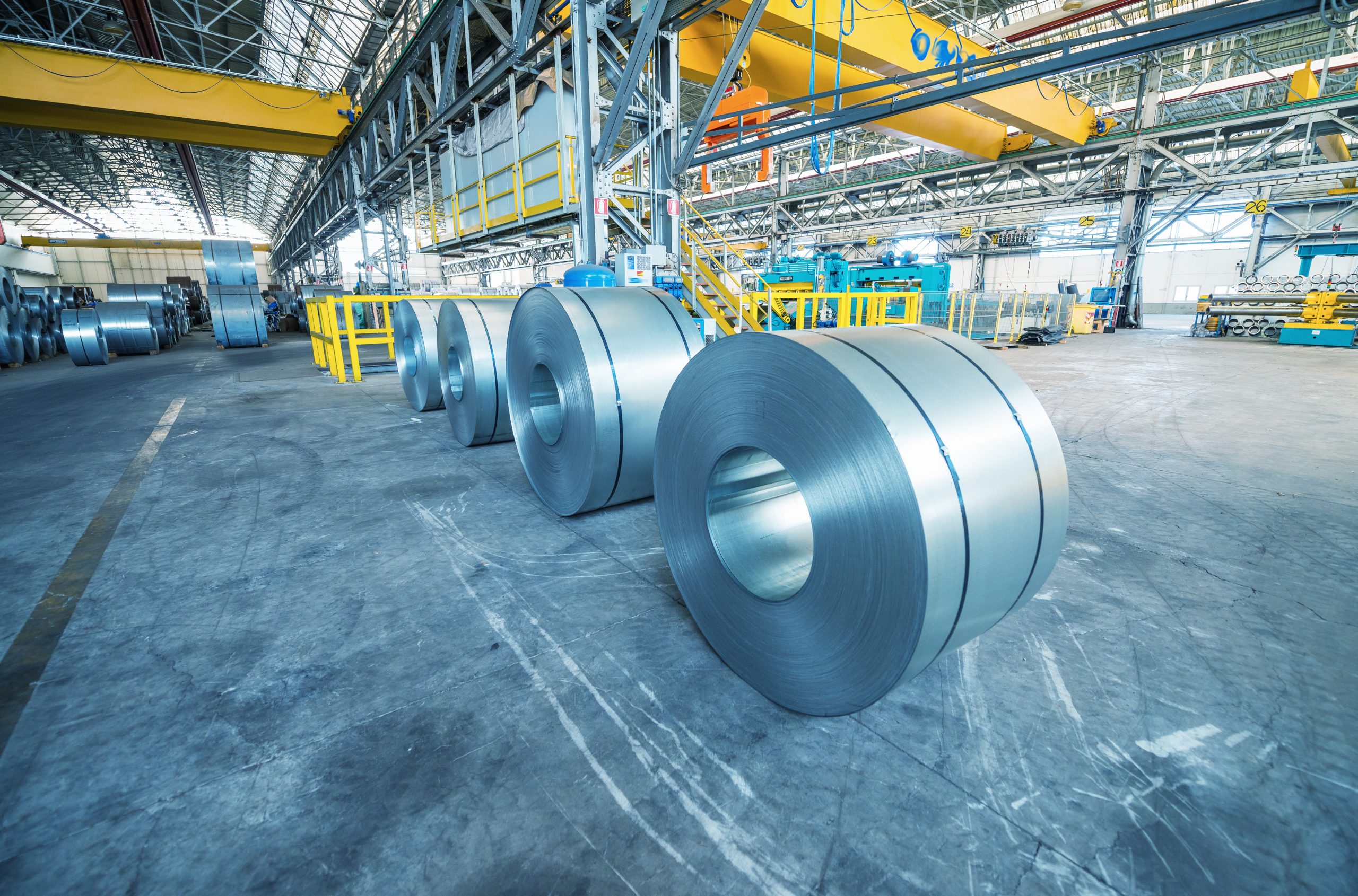
- Product Name: Hot-rolled steel coils of alloy or non-alloy steel, uncoated, unplated or unpainted, with thickness up to 25mm and width up to 2100mm.
- Excluded Product: Hot-rolled stainless steel coils.
- HS Codes: 7208, 7211, 7225, and 7226.
However, the classification of these HS codes is indicative and not binding on the scope of this investigation.
- Detailed Description: The product under consideration (PUC) includes hot-rolled flat steel products of alloy or non-alloy steel, without any additional processing beyond hot rolling. These products may have ‘as-rolled’ edges, trimmed edges, slitted edges, laser-cut edges, gas-cut edges, or any other type of edges. They may be oiled or not oiled, pickled or not pickled, skinned or annealed, normalized or not normalized, ultrasonically tested or not, and subjected to processes such as hot mechanical rolling, thermomechanical control rolling, and other similar processes. The PUC includes both hot-rolled flat steel in coil form and cut-to-length forms. These products are used in automotive, oil and gas pipelines, cold-rolled steel products, tubing, general engineering, fabrication, construction, capital goods, equipment for cement, fertilizers, refineries, earthmoving machinery, etc. The PUC excludes hot-rolled flat stainless steel products.
The petitioners have proposed the following Product Control Number (PCN) structure for the PUC for fair comparison:
| No. | Attributes | No. of Digits | Description | Code |
|---|---|---|---|---|
| 1 | Product Type | 1 | Alloy | A |
| Non-alloy | N | |||
| 1 | Thickness | 1 | Up to and including 5 mm | C |
| More than 5 mm and upto 25 mm | D | |||
| 1 | Width | 1 | Up to and including 1500mm | U |
| More than 1500 mm and upto 2100 mm | M |
Parties involved in this investigation may comment on the scope of the PUC and the proposed PCNs, if any, within 15 days from the initiation of this investigation.
- Country of Origin of the Goods under Investigation: Vietnam
III. Period of Investigation (POI):
- The period of investigation (hereinafter referred to as “POI”): January 1, 2023, to March 31, 2024.
- The injury investigation period covers the periods:
- April 1, 2020, to March 31, 2021
- April 1, 2021, to March 31, 2022
- April 1, 2022, to March 31, 2023
- POI: April 1, 2023, to March 31, 2024
IV. Allegations of Dumping, Injury, and Causal Link
- Dumping Margin: A comparison between the normal value and the export price at the ex-factory level preliminarily indicates that the dumping margin is above the de minimis and significant levels for the product under consideration imported from the subject country.
- Injury to the Domestic Industry: Imports from Vietnam have significantly increased in both absolute terms and relative to production and consumption in the Indian domestic market. Hot-rolled steel from Vietnam is being sold at lower prices, causing the prices of domestic hot-rolled steel in India to decline. The complainants assert that due to the large volume of low-priced imports, their financial performance has deteriorated, with declines in cash profits, market share, overall profitability, and return on investment. They are also concerned that the dumped imports threaten to cause further material injury to the domestic industry. There is sufficient initial evidence to show that the domestic industry has suffered actual material injury and faces a threat of further material injury from dumped hot-rolled steel imports from Vietnam.
V. Retrospective imposition of duty
The complainants have requested the imposition of retrospective anti-dumping duties based on the following grounds:
- Vietnam has a prior history of dumping “hot-rolled coils” and has previously been subject to anti-dumping duties on this product.
- Vietnamese exporters engaged in large-scale dumping within a relatively short period. The dumping margin was significant during the period of investigation, and the volume of dumped imports has increased in the recent past.
- There has been a significant decline in the performance of the Indian steel industry during the investigation period, resulting in serious consequences. If these consequences are not immediately addressed through the imposition of anti-dumping duties, the Indian steel industry will suffer irreparable harm.
VI. Investigation Procedure:
- Regulation: The provisions of Article VI of the WTO Anti-Dumping Agreement shall apply to this investigation.
- Submission of Information: All submissions are to be made via email to jd12-dgtr@gov.in and ad12-dgtr@gov.in, with a copy to adv11-dgtr@gov.in and consultant-dgtr@govcontractor.in. Submissions must be in PDF/MS Word or MS Excel format.
- Obligations of Interested Parties: Known producers/exporters of hot-rolled steel coils in Vietnam, importers, and consumers of the subject goods in India are required to submit relevant information within 30 days from the receipt of this notice. Any other interested parties may also submit information in accordance with the method outlined above.
- Examination of the Public Record: A list of registered interested parties will be published on the DGTR website, and they will be requested to submit non-confidential versions of their responses for all other interested parties. Failure to submit information may be considered as non-cooperation.
- Non-cooperation: An interested party may be considered non-cooperative if it refuses to provide necessary information within a reasonable period or the timeframe specified in this notice, or if it obstructs the investigation in any way.
For more information: