

July 27th, 2026
Latest Update – July 27, 2026: The US Imposes an Additional 12.5% Import Tariff on Vietnamese Goods, Effective July 24, 2026
On July 23, 2026, the Office of the United States Trade Representative (USTR) announced its final action in the Section 301 investigations under the Trade Act of 1974, covering 60 economies. Among them, Vietnam falls into the group subject to an additional 12.5% tariff.
USTR divided the investigated economies into three main groups:
- Group 1 applies an additional 10% tariff to 17 economies, including: Argentina, Bangladesh, Cambodia, Canada, Ecuador, El Salvador, Guatemala, Honduras, India, Indonesia, Jordan, Malaysia, Mexico, Pakistan, Sri Lanka, Trinidad and Tobago, and the United Kingdom.
- Group 2 applies a tariff of either 10% or 12.5% to 5 economies, including: the EU, Taiwan, Japan, South Korea, and Switzerland.
- Group 3 applies an additional 12.5% tariff to all remaining economies, including Vietnam.
USTR stated that certain categories of products may be exempted from the additional tariff, including:
- Raw materials for which imposing the tariff could lead to domestic supply shortages in the United States
- Products at risk of causing widespread disruption to the economy
- Products that the United States cannot grow or manufacture in sufficient quantity or at a reasonable price
- Certain products exempted in order to encourage economies to fulfill commitments related to forced labor
Effective date: USTR announced that the above tariff measures will officially take effect on goods imported into the United States starting at 12:01 a.m. on July 24, 2026 (U.S. Eastern Time).
Reference: TheWhiteHouse, Actions by the United States in the Investigations under Section 301 of the Trade Act of 1974 of the Acts, Policies, and Practices of 60 Economies Related to the Failure of Each Economy to Impose and Effectively Enforce a Prohibition on the Importation of Goods Produced with Forced Labor – The White House, July 23, 2026
📞 Contact UNI Customs Consulting for free consultation:📧 Email: [email protected]📱 Hotline: (+84) 24-7308-7988 (Hanoi) | (+84) 28-7301-8910 (HCM)
Latest Update as of November 17, 2025: The United States Officially Exempts Various Agricultural Products From Reciprocal Tariffs
On November 14, 2025, President Donald J. Trump signed an Executive Order to adjust the scope of the reciprocal tariffs previously announced on April 2, 2025. Specifically, certain eligible agricultural products will no longer be subject to these tariffs.
Agricultural products exempt from reciprocal tariffs include:
- Coffee and tea
- Tropical fruits and fruit juices
- Cocoa and spices
- Bananas, oranges, and tomatoes
- Beef
- Additional fertilizers
These products have been added to Annex II of Executive Order 14257 and removed from the “Potential Tariff Adjustment for Associated Partners” (PTAAP) annex, effective November 13, 2025.
For details of Annex II of Executive Order 14257: see here
Reference
- TheWhiteHouse, Fact Sheet: Following Trade Deal Announcements, President Donald J. Trump Modifies the Scope of the Reciprocal Tariffs with Respect to Certain Agricultural Products – The White House, November 14, 2025
- TheWhiteHouse, Modifying the Scope of the Reciprocal Tariff with Respect to Certain Agricultural Products – The White House, November 14, 2025
October 27th, 2025
Latest Update – October 27th, 2025: Vietnam – United States Announce Joint Statement on the Framework for a Reciprocal, Fair, and Balanced Trade Agreement
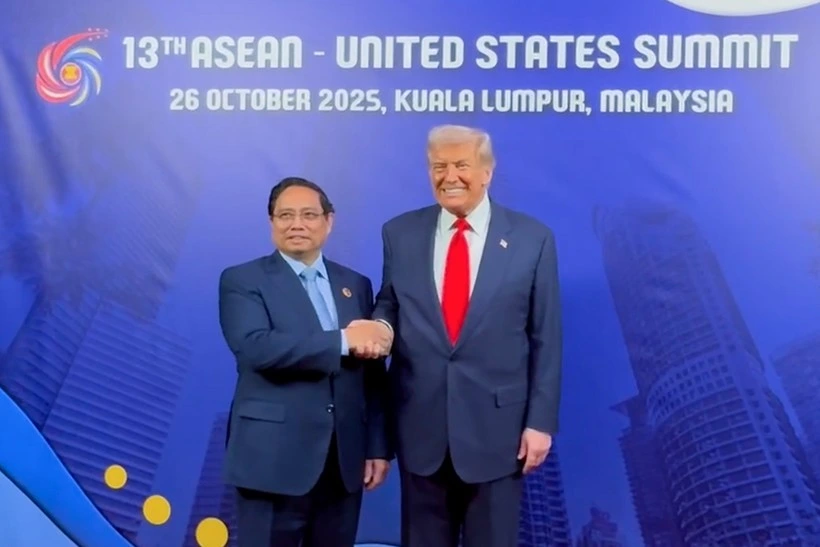
According to information from the Ministry of Industry and Trade, on October 26, 2025, Vietnam and the United States agreed to issue a Joint Statement on the Framework for a Reciprocal, Fair, and Balanced Trade Agreement (hereinafter referred to as the “Joint Statement”). The announcement took place on the occasion of Prime Minister Pham Minh Chinh and President Donald Trump attending the ASEAN Summit held from October 26–28, 2025, in Kuala Lumpur, Malaysia.
This information has been confirmed by the White House and published on its official website at the following link: Joint Statement on United States–Vietnam Framework for an Agreement on Reciprocal, Fair, and Balanced Trade
1. The key provisions of the Reciprocal, Fair, and Balanced Trade Agreement between the United States and Vietnam:
- Vietnam will grant preferential market access for most U.S. industrial and agricultural export products to Vietnam.
- The United States will maintain a reciprocal tariff rate of 20% (pursuant to Executive Order No. 14257 dated April 2, 2025, as amended) on goods originating from Vietnam, while designating certain products listed in Annex III of Executive Order No. 14346 dated September 5, 2025 — Adjustment of Potential Tariffs on Eligible Partners — to enjoy a reciprocal tariff rate of 0%.
- Both parties will cooperate to develop solutions to address non-tariff barriers affecting bilateral trade in priority sectors.
2. Commitment from Vietnam:
Vietnam has also committed to addressing a number of issues of U.S. concern, including:
- Acceptance of automobiles manufactured in compliance with U.S. safety and emission standards;
- Resolution of import licensing issues for U.S. medical devices;
- Simplification of regulations and approval procedures for U.S. pharmaceutical products;
- Fulfillment of Vietnam’s obligations under certain international treaties on intellectual property to which Vietnam is a party;
- Resolution of U.S. concerns regarding conformity assessment procedures.
Both countries also agreed to:
- Cooperate in addressing and preventing barriers to U.S. agricultural products in the Vietnamese market, including recognition of certification and supervision by U.S. regulatory authorities;
- Fulfill commitments in the areas of digital trade, services, and investment
- Strengthen coordination on intellectual property, labor, environment, customs, trade facilitation, and ensure a level playing field among enterprises, including state-owned enterprises;
- Enhance cooperation to improve supply chain resilience, prevent trade and tax fraud, and coordinate on export control.
In addition, both sides noted significant trade agreements between U.S. and Vietnamese enterprises in the fields of agriculture, aerospace, and energy, including:
- Vietnam Airlines has agreed to purchase 50 Boeing aircraft, valued at over USD 8 billion.
- Vietnamese enterprises have signed 20 memoranda of understanding with U.S. companies to purchase American agricultural products, with a total estimated value of over USD 2.9 billion.
In the coming weeks, the United States and Vietnam will finalize the Reciprocal, Fair, and Balanced Trade Agreement, preparing for its signing and the completion of necessary domestic procedures before the agreement officially enters into force.
References:
- The White House. (2025, October 26). Joint Statement on United States–Vietnam Framework for an Agreement on Reciprocal, Fair, and Balanced Trade.
- The Government Electronic Newspaper. (2025, October 26). Vietnam and the United States announced the Joint Declaration on the Framework of the Reciprocal Trade Agreement.
- VnExpress. (2025, October 26). Vietnam and the US announced a joint statement on the Reciprocal Trade Agreement.
📞 Contact UNI Customs Consulting for free consultation:
📧 Email: [email protected]
📱 Hotline: (+84) 24-7308-7988 (Hanoi) | (+84) 28-7301-8910 (HCM)
September 9, 2025
U.S. Grants Tariff Exemptions for Over 45 Imported Goods from Countries with Trade Agreements
On September 5, 2025, U.S. President Donald Trump signed an executive order granting tariff exemptions for certain imported goods from countries that have concluded reciprocal trade agreements with the United States, effective from September 8, 2025.
1. Products subject to tariff reductions
- Graphite and nickel forms – raw materials for stainless steel and electric vehicle batteries.
- Certain pharmaceutical compounds: lidocaine (anesthetic), reagents used in medical diagnostic testing.
- Gold: in powder, leaf, and bar form.
- Natural graphite, neodymium magnets, light-emitting diodes (LEDs).
- Selected agricultural products, aircraft, parts, plastics, and polysilicon for solar panels.
- Items related to gold bullion, certain critical minerals, and pharmaceutical products under Section 232 investigation.
2. Products reinstated under tariffs
Including:
- 2818.30.00 – Aluminum hydroxide.
- 3824.99.93 – Resin (chemical).
- 3907.29.00 – Polyesters.
- 3907.30.00 – Epoxide resins.
- 3907.61.00 – PET (polyethylene terephthalate).
- 3907.69.00 – Other polyesters.
- 3907.99.50 – Other polyesters.
- 3910.00.00 – Silicones.

3. Conditions of application:
Any country that has signed a reciprocal trade agreement with the United States shall be exempt from tariffs on products correctly classified under the HS (HTSUS) codes listed in Annex II.
As a member of the Korea-United States Free Trade Agreement (KORUS FTA), Korea is expected to benefit from this tariff exemption.
Vietnam has not yet signed any reciprocal agreement with the United States; therefore, it is not exempt from tariffs on any products and remains subject to duties on the group of goods that have been re-imposed.
4. Duty-free list: View details of the Harmonized Tariff Schedule of the United States (HTSUS) here.
5. Effective date: 12:01 m. EDT, September 8, 2025
Reference
- Reuter, Trump signs order offering some tariff exemptions to countries with US trade deals , September 6, 2025
- TheWhiteHouse, Modifying The Scope of Reciprocal Tariffs and Establishing Procedures for Implementing Trade and Security Agreements – The White House, September 5, 2025
- TheWhiteHouse, Fact Sheet: President Donald J. Trump Modifies the Scope of Reciprocal Tariffs and Establishes Procedures for Implementing Trade Deals – The White House , September 5, 2025
Key Implications
This executive order represents a significant shift in U.S. trade policy, providing competitive advantages to countries with trade agreements while potentially creating additional trade barriers for nations without such agreements. Korean companies should actively explore opportunities to leverage the benefits of the Korea-U.S. Free Trade Agreement (KORUS FTA)
Aug 1, 2025
The United States Officially Announces New Reciprocal Tariff Rates Effective from August 7, 2025
On July 31, 2025 (U.S. time), President Donald J. Trump signed a new Executive Order announcing adjustments to reciprocal tariff rates, aimed at addressing the United States’ trade deficit. This decision directly affects imported goods from many countries, including Vietnam.
1. Vietnam Subject to a 20% Additional Reciprocal Tariff
- According to the Executive Order dated July 31, 2025, Vietnam is listed in Annex I as one of the countries subject to adjusted reciprocal tariffs.
ANNEX I
| Countries and Territories | Reciprocal Tariff, Adjusted |
| Vietnam | 20% |
| Cambodia | 19% |
| Thailand | 19% |
| United Kingdom | 10% |
| South Korea | 15% |
| Japan | 15% |
| India | 25% |
| Bangladesh | 20% |
| Pakistan | 19% |
| European Union: Goods with Column 1 Duty Rate > 15% | 0% |
| European Union: Goods with Column 1 Duty Rate < 15% | 15% minus Column 1 Duty Rate |
| … | |
- Starting at 12:01 a.m. EDT on August 7, 2025, goods originating from Vietnam and imported into the United States will be subject to an additional ad valorem tariff of 20%.
- This 20% will be added on top of the current duty rate listed in the Harmonized Tariff Schedule of the United States (HTSUS). A new heading, 9903.02.69, has been inserted in the HTSUS specifically for Vietnamese-origin products.
ANNEX II
Clarification Note:
9903.02.69 = New tariff classification code exclusively for Vietnam
This is a new tariff classification code established by the United States to impose an additional 20% duty on products originating from Vietnam.
| Heading / Subheading | Article Description | Rates of Duty | ||
| 1 | 2 | |||
| General | Special | |||
| 9903.02.69 | Except for goods loaded onto a vessel at the port of loading and in transit on the final mode of transit before 12:01 a.m. eastern daylight time on August 7, 2025, and entered for consumption or withdrawn from warehouse for consumption before 12:01 a.m. eastern daylight time on October 5, 2025, except for products described in headings 9903.01.30– 9903.01.33, and except as provided for in headings 9903.01.34 and 9903.02.01, articles the product of Vietnam, as provided for in subdivision (v) of U.S. note 2 to this subchapter . . . . . . . | The duty provided in the applicable subheading + 20% | The duty provided in the applicable subheading + 20% | The duty provided in the applicable subheading |
2. Summary of U.S. Tariff Rates on Vietnamese Products by Sector
| Industry | Base Tariff (MFN) | Additional Tariff | Total Tariff Rate |
| Textiles and footwear | 10% ~ 15% | + 20% | 30% ~ 35% |
| Wood and furniture | 10% ~ 15% | + 20% | 30% ~ 35% |
| Agricultural products, fruits | 5% ~ 10% | + 20% | 25% ~ 30% |
| Seafood | 5% ~ 10% | + 20% | 25% ~ 30% |
| Electronics, Small Home Appliances | 0% ~ 10% | + 20% | 20% ~ 30% |
| Light Industrial Machinery and Components | 5%~10% | + 20% | 25% ~ 30% |
| Transshipped Goods (falsely labeled “Made in Vietnam”) | MFN Rate + 40% Additional Tariff | ||
3. Effective Date and Important Exemptions:
- General Effective Date: The new tariff rates will apply to goods entered for consumption or withdrawn from warehouse for consumption on or after 12:01 a.m. EDT, August 7, 2025.
- Transit Exemption Clause: Goods that:
- Were loaded onto a vessel at the port of loading and in final transit mode before 12:01 a.m. EDT, August 7, 2025; and
- Are entered for consumption or withdrawn from warehouse before 12:01 a.m. EDT, October 5, 2025; will not be subject to the new 20% additional tariff. Instead, such goods will remain under the previous tariffs imposed under Executive Order 14257.
- Both of the following conditions must be met:
- Condition 1: The goods must have been shipped (on board) prior to 12:01 a.m. on August 7, 2025.
- Condition 2: The goods must arrive in the United States and be customs-cleared prior to 12:01 a.m. on October 5, 2025.
4. Anti-Transshipment Regulation:
- Any shipment identified by U.S. Customs and Border Protection (CBP) as being transshipped to evade applicable tariffs under this order will be subject to a 40% ad valorem additional tariff.
- This rate replaces the standard additional tariff for the country of origin and may also include penalties or fines.
- No mitigation or exemption will be granted for penalties applied to shipments found to have engaged in transshipment fraud.
5. De Minimis Exemption Suspension:
- On July 30, 2025, President Trump issued a separate Executive Order suspending Duty-Free De Minimis Treatment for All Countries.
- Effective August 29, 2025, at 12:01 a.m. EDT: All shipments valued at ≤ USD 800 delivered via non-postal delivery systems will no longer be duty-free.
- For goods sent via international postal services:
- Tariffs may apply based on the exporting country’s standard rate, or
- A fixed tariff of USD 80–200 will be levied over a 6-month period, depending on the country.
References:
- The White House – FURTHER MODIFYING THE RECIPROCAL TARIFF RATES – July 31, 2025.
- The White House – SUSPENDING DUTY-FREE DE MINIMIS TREATMENT FOR ALL COUNTRIES – July 30, 2025.
July 8, 2025
United States Announces Reciprocal Tariffs on 14 Countries, Delays Implementation Until August 1
On the social media platform Truth Social, President Donald Trump published photos of letters sent to the leaders of 14 countries – including South Korea, Japan, and Indonesia – to notify them of the new reciprocal tariff rates.
1. New Reciprocal Tariff Rates for 14 Countries:
The first two key U.S. partners notified by President Trump were Japan and South Korea, with reciprocal tariff rates set at 25%. These are also the two countries with which the U.S. had the largest trade deficits among the 14 countries in 2024, amounting to USD 69 billion and USD 66 billion, respectively.
The summary of the newly announced reciprocal tariff rates for the 14 countries, scheduled to take effect on August 1, is as follows:
| Country | Previous tariff rate | New tariff rate |
| Laos | +48% | +40% |
| Myanmar | +44% | +40% |
| Cambodia | +49% | +36% |
| Thailand | +36% | +36% |
| Bangladesh | +37% | +35% |
| Serbia | +37% | +35% |
| Indonesia | +32% | +32% |
| Bosnia and Herzegovina | +35% | +30% |
| South Africa | +30% | +30% |
| Japan | +24% | +25% |
| Korea | +25% | +25% |
| Kazakhstan | +27% | +25% |
| Malaysia | +24% | +25% |
| Tunisia | +28% | +25% |
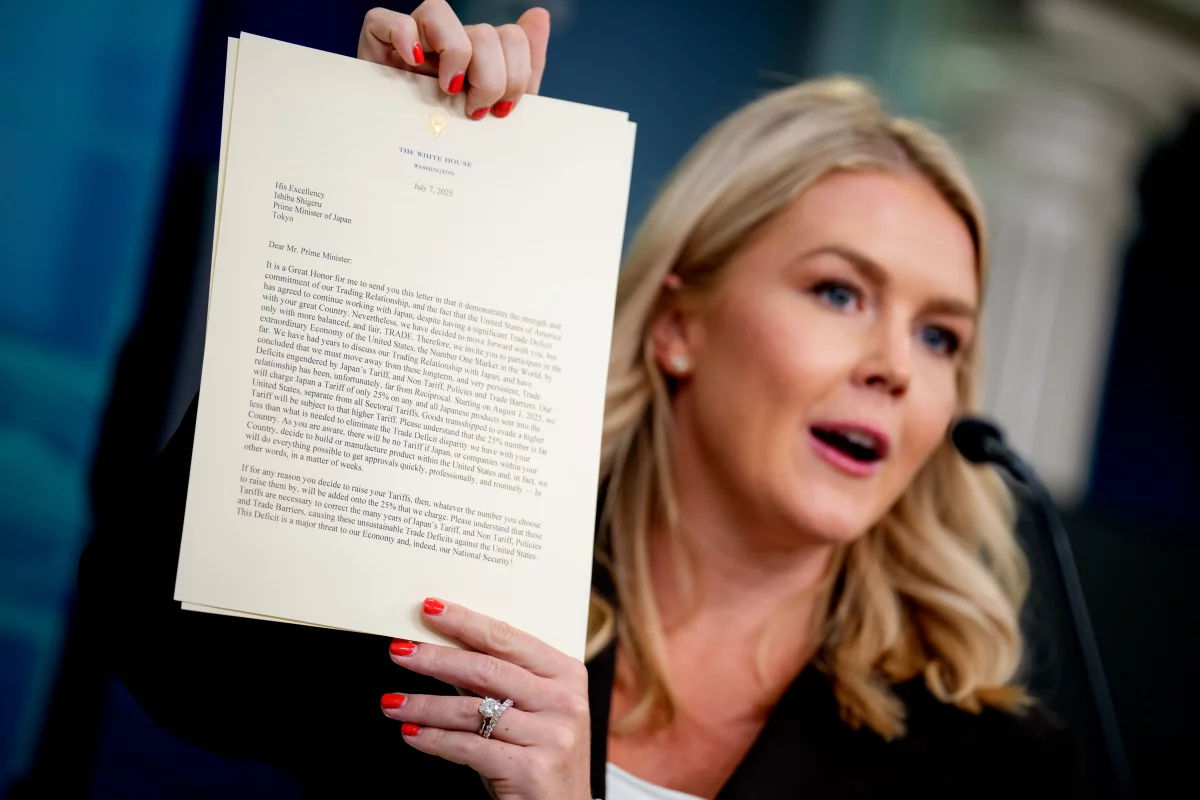
In the letters, President Trump emphasized that the U.S. “may” consider adjusting these reciprocal tariff rates depending on “your country’s current relationship with the United States.”
White House spokesperson Karoline Leavitt also stated that additional letters would be sent in the coming days.
President Trump further confirmed that these new reciprocal tariffs would “not be cumulative with existing sectoral tariffs,” such as the existing 25% tariff on automobiles – meaning the new rates will be applied separately.
2. Official Delay of Reciprocal Tariff Implementation to August 1
On July 7, President Donald Trump issued an executive order extending the deadline for trade negotiations to August 1, instead of the original July 9 deadline.
The executive order specifies that this extension decision was made based on updated information and recommendations from multiple senior officials, particularly regarding progress in ongoing discussions with trade partners.
With respect to China, the separate tariff suspension under Executive Order 14298 issued on May 12, 2025, remains in effect and is not impacted by this extension decision.
____________________________
Reference:
- Trump, D. J. [@realDonaldTrump]. (2025, July 7). Post on reciprocal tariffs and letters to foreign leaders [Post]. Truth Social.
- The White House. (2025, July 7). Executive Order on Extending the Modification of the Reciprocal Tariff Rates..
- The White House. (2025, July 7). Fact sheet: President Donald J. Trump continues enforcement of reciprocal tariffs and announces new tariff rates.
July 3, 2025
Trump Announces Trade Deal with Vietnam – 20% Tariff Agreed
At 10:25 a.m. on July 2 (U.S. time), President Donald Trump announced on the social media platform Truth Social that the United States had reached a reciprocal tariff trade deal with Vietnam.
In a follow-up post, he stated that the U.S. would impose a 20% tariff on goods exported from Vietnam. For goods that are “transshipped” from a third country through Vietnam, a 40% tariff would apply.
In return, Vietnam committed to granting preferential market access to U.S. goods, including large-engine vehicles (SUVs). According to Trump’s statement, Vietnam has agreed to “fully open its market to the United States,” allowing American goods to enter with a 0% tariff.
As of now, no official documents have been released. However, both sides confirmed that President Trump and General Secretary To Lam held a phone call to agree on the key terms of the deal.
The 20% tariff on Vietnamese goods is expected to take effect after the current tariff suspension period ends on July 9, 2025.

References:
- CNN (2025, July 2). Trump announces trade deal with Vietnam. CNN Business.
- Trump, D. J. (2025, July 2). I just made a Trade Deal with Vietnam. Truth Social.
- Reuters (2025, July 2). Trump says he has struck trade deal with Vietnam. Reuters.
- Báo Chính phủ (2025, July 2). Tổng thống Mỹ thông báo đạt được thỏa thuận thương mại với Việt Nam. Báo Chính Phủ
July 1, 2025
Latest Update as of July 1, 2025: Trump Will Not Extend Tariff Suspension Beyond July 9, 2025
President Trump has announced that he will not extend the 90-day suspension of tariffs imposed on multiple countries, set to expire on July 9, 2025, following the conclusion of trade negotiations.
In an interview with Fox News on June 29, 2025, Trump stated that countries failing to reach trade agreements with the U.S. will face elevated tariffs ranging from 10% to 50%. He emphasized that formal notifications regarding the imposition of tariffs will be sent to trading partners shortly, with tariff levels determined based on trade deficits and the treatment of the U.S. by these nations. “Some countries, we don’t care about, will face high tariffs,” he remarked.
Earlier, in April 2025, Trump introduced a series of new tariffs but granted a 90-day suspension to facilitate negotiations, aiming to secure 90 bilateral trade agreements. However, he acknowledged the challenge of concluding individual agreements with each country due to the large number of trading partners involved.
References:
- Tuoi Tre Newspaper, Trump Not Planning to Extend Tariff Suspension Beyond July 9, June 30, 2025
- PBS News, Trump Says He’s Not Planning to Extend Pause on Most of His Tariffs Beyond July 9, Jun 29, 2025
- NDTV World, Trump Says US Doesn’t Plan to Extend Tariff Pause, Would Rather Do This,, June 30, 2025
June 6, 2025
On June 4, the Vietnamese Minister of Industry and Trade and the United States Trade Representative held their second ministerial-level negotiation on the bilateral trade agreement between the two countries. Meanwhile, Chinese President Xi Jinping had a phone call with U.S. President Donald Trump.
1, Vietnam’s Response
Vietnam–U.S. conclude second ministerial-level round of negotiations on reciprocal trade agreement
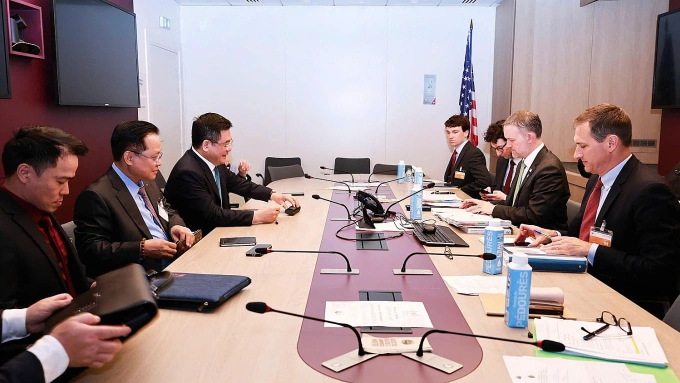
- On June 4, 2025, in Paris, Vietnam and the United States held the second ministerial-level round of negotiations on a reciprocal trade agreement.
- The Vietnamese delegation was led by Minister of Industry and Trade Nguyễn Hồng Diên, while the U.S. delegation was headed by U.S. Trade Representative Jamieson Greer.
- Vietnam responded to additional proposals from the U.S. side, demonstrating goodwill and a desire to reach a mutually acceptable solution.
- Both parties agreed to continue with a third round of technical negotiations in June 2025, aiming toward a mutually beneficial agreement.
2, U.S. Response
U.S. Commerce Secretary rejects possibility of tariff removal for Vietnam during Senate hearing
During a Senate hearing on June 4, 2025, U.S. Secretary of Commerce Howard Lutnick rejected the possibility of the U.S. lifting tariffs on Vietnam, even if Vietnam were to eliminate all tariffs on U.S. goods.
Secretary Lutnick stated that the Trump administration would continue to exert pressure as long as Vietnam is suspected of re-exporting Chinese goods to the U.S., citing the large trade deficit between the two countries as justification for maintaining a hardline stance.
“They buy $90 billion from China, then they mark it up and send it to us,” Lutnick said. “So it’s just a pathway of China to us.”
3, International Reactions
Chinese President holds phone call with President Trump amid trade tensions
- On the evening of June 5, 2025, Chinese President Xi Jinping held a phone call with U.S. President Donald Trump — the second direct exchange between the two leaders this year (following the first on January 17).
- The call emphasized the importance of steering China–U.S. relations in the right direction.
- China called for cooperation, mutual respect, and urged the U.S. to remove negative measures. China also committed to maintaining dialogue and accelerating the next round of trade negotiations.
- Detailed content of the call was not disclosed.
References:
- VnExpress, Việt – Mỹ kết thúc vòng đàm phán cấp bộ trưởng thứ hai về thương mại đối ứng, June 05, 2025.
- Newsweek, GOP Senator Flummoxed By Trump Adviser’s Response To Tariff Question, June 04, 2025.
- Bloomberg, US to Keep Pressure on Vietnam Over China Imports, Lutnick Says, June 04, 2025.
- The Newyork Times , After Trump and Xi Speak, U.S. and China Agree to Revive Trade Talks, June 05, 2025.
- VOV.vn, Chủ tịch Trung Quốc Tập Cận Bình điện đàm với Tổng thống Mỹ Donald Trump, June 06, 2025
________________________________________
May 24, 2025
From May 19 to 22, 2025, in Washington D.C., the second round of negotiations for the Vietnam–United States Reciprocal Tariff Trade Agreement took place, marking significant progress in both substance and negotiation direction.
Over three working days, both sides held in-depth discussions on the full range of issues raised during the first round of talks, covering market access for goods, services, and investment, as well as transparency, subsidies, environmental concerns, and technology transfer.
Key Outcomes:
Initial consensus was reached on several issue groups, notably in the following areas:
- Market access for agricultural products and processed industrial goods;
- Harmonization of technical standards and environmental regulations;
- Establishment of dispute settlement mechanisms and enforcement of commitments;
- Commitments on intellectual property protection and promotion of technology transfer.
Planned Roadmap:
Both sides also agreed on a roadmap and methods to address remaining differences. This includes finalizing the draft agreement, conducting technical virtual meetings in June, and preparing for the third round of negotiations, expected to be held in Vietnam.
High-Level Meeting on the Sidelines:
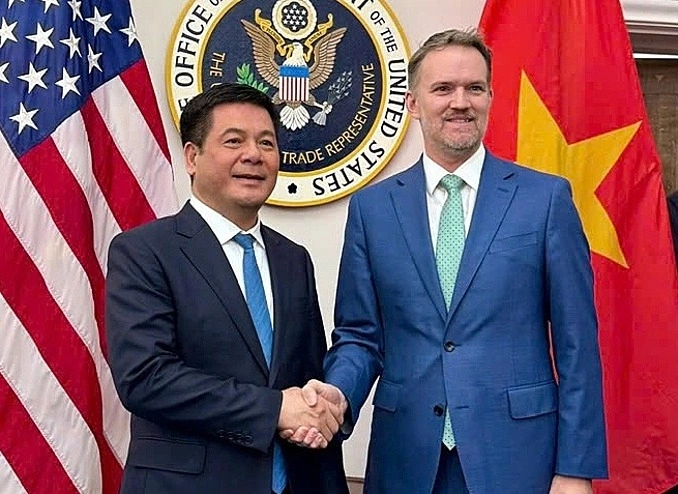
On the sidelines of the talks, Minister of Industry and Trade Nguyễn Hồng Diên and U.S. Trade Representative Ambassador Jamieson Greer held a private meeting to review the negotiation outcomes and outline strategic directions for the next phase.
Previously, on May 16, the two ministers held the first direct ministerial-level meeting on the Vietnam–US Reciprocal Tariff Trade Agreement.
The Vietnamese delegation was led by Minister of Industry and Trade Nguyễn Hồng Diên, who serves as the Chief Negotiator for the Government, accompanied by representatives from various ministries and agencies including Public Security, Foreign Affairs, Finance, Construction, Home Affairs, Agriculture and Rural Development, Natural Resources and Environment, Science and Technology, Justice, and the State Bank of Vietnam.
The U.S. delegation was headed by Ambassador Jamieson Greer, United States Trade Representative.
References:
- Reuters, Vietnam says more tariff negotiations with US needed, 22/5/2025.
- VnEconomy, Việt Nam – Hoa Kỳ tiến gần hơn tới Hiệp định thương mại đối ứng, 22/5/2025.
- VnEconomy, Second round of Vietnam–US talks on reciprocal trade deal concluded, 22/5/2025.
- VnEconomy, Phiên đàm phán cấp Bộ trưởng trực tiếp đầu tiên giữa Việt Nam và Hoa Kỳ, 17/5/2025.
________________________________________
April 24, 2025
Vietnam and the United States Officially Launch Bilateral Economic and Trade Negotiations
On the evening of April 23, Vietnamese Minister of Industry and Trade and Head of the Government Negotiation Delegation, Mr. Nguyễn Hồng Diên, held an important phone call with U.S. Chief Trade Representative Mr. Jamieson L. Greer, marking the official start of the negotiation process on bilateral economic and trade issues between Vietnam and the United States.
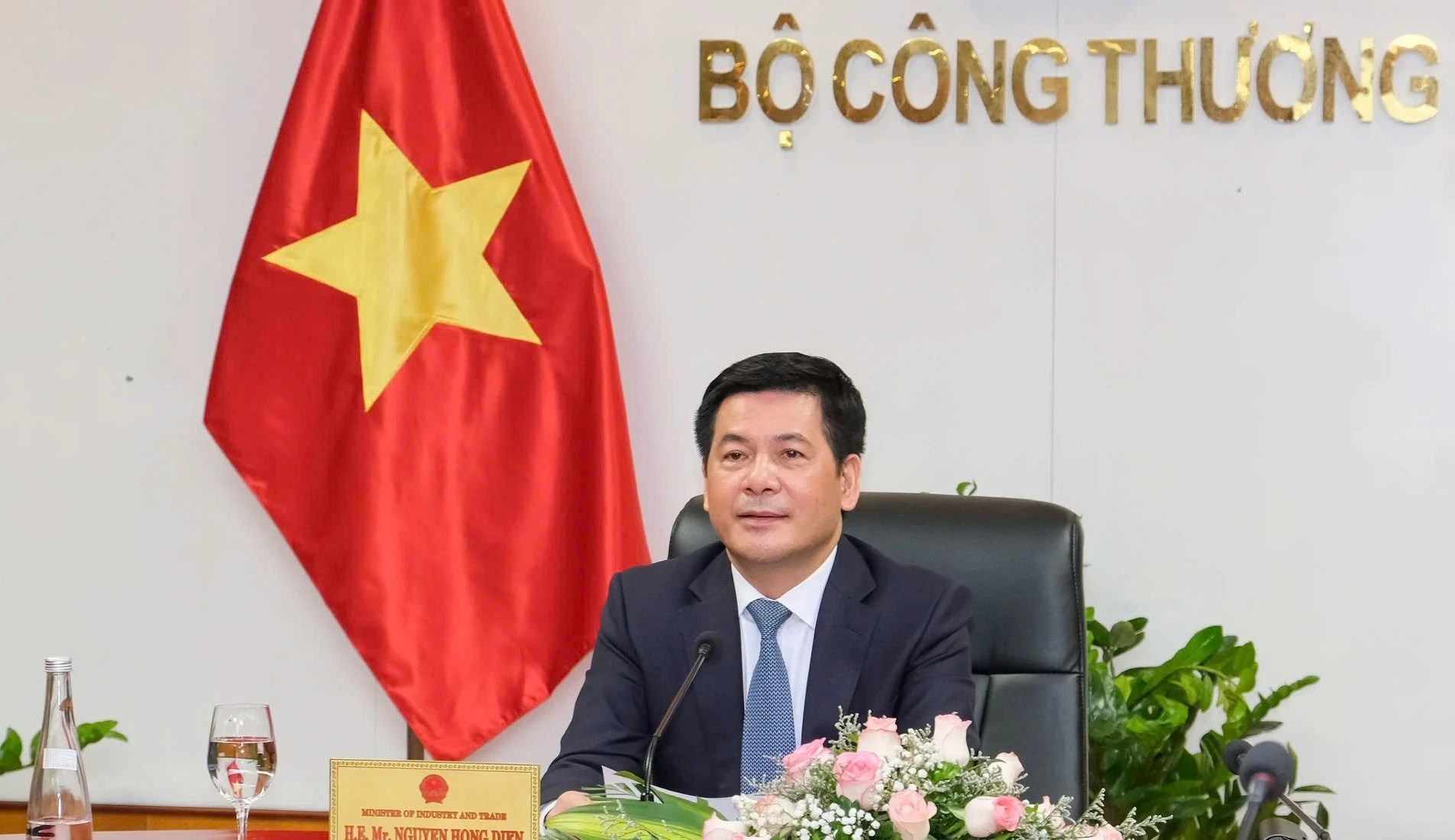
The call was attended by members of the Vietnamese Government Negotiation Delegation and technical representatives from various relevant ministries and agencies, demonstrating a cross-sectoral coordination effort in preparing for the negotiation process.
On the U.S. side, Mr. Jamieson L. Greer welcomed the mutual agreement to commence negotiations and expressed his hope that Vietnam and the United States would soon reach substantive agreements to foster a stable and mutually beneficial trade relationship.
At the end of the discussion, both Heads of Delegation agreed to maintain regular communication at both the head and technical levels to accelerate progress on specific negotiation topics.
Reference:
Ministry of Industry and Trade of Vietnam. (2025, April 23). Minister of Industry and Trade, Head of the Government Negotiation Delegation Nguyễn Hồng Diên held a phone call with U.S. Trade Representative Jamieson L. Greer.
________________________________________
April 19, 2025
Latest update on 19/04/2025: Trump Signals Tariff Freeze on Chinese Goods; China Halts US LNG
President Trump has said he wants to stop raising tariffs on Chinese goods. Meanwhile, recently, China has stopped importing LNG from the United States.
1. U.S. Response
President Trump says he may signals freeze on reciprocal tariffs
- On April 17, 2025 (U.S. time), President Donald Trump told reporters that he does not wish to further raise tariffs on Chinese imports.
- He is considering reducing existing tariff levels or refraining from imposing new tariffs to avoid adverse impacts on domestic consumption.
2. China’s Response:
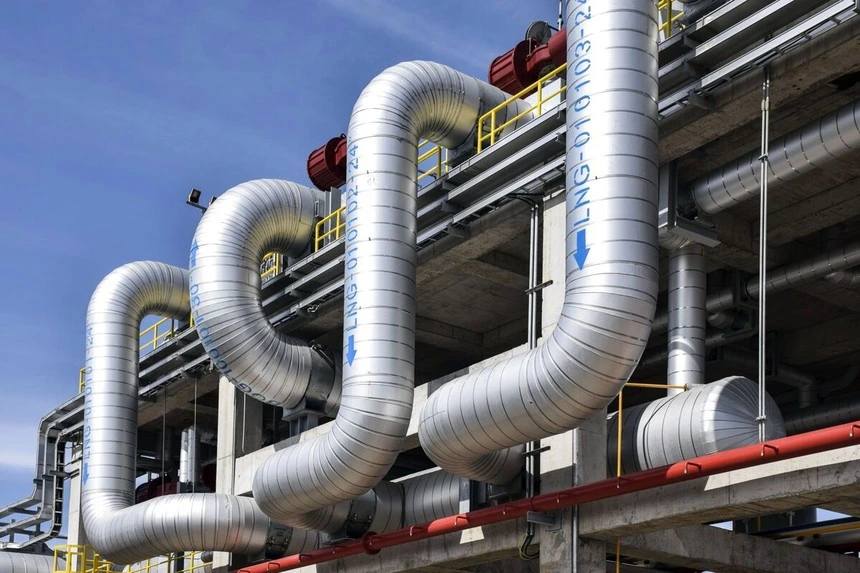
China Suspends Imports of U.S. Liquefied Natural Gas (LNG)
- From February 10, 2025, China officially ceased importing LNG from the United States after imposing a 15% retaliatory tariff on American fossil fuel shipments..
- The halt in U.S. LNG imports marks the expansion of the trade war into the energy sector.
- According to data from China’s customs authority, U.S. LNG shipments to China significantly declined from November through January. Meanwhile, imports from Russia have surged — increasing fourfold compared to U.S. volumes over the past year.
References:
- CNBC – Trump signals tit-for-tat China tariffs may be near end – April 18, 2025.
- New York Times – U.S. Gas Exports to China Stopped After Beijing Imposed Tariffs – April 18, 2025.
________________________________________
April 18, 2025
Trump announces US is in talks with China over tariffs; Vietnam’s Ministry of Industry and Trade issues directive to prevent origin fraud
1, US Response:
a, Trump confirms US-China tariff discussions
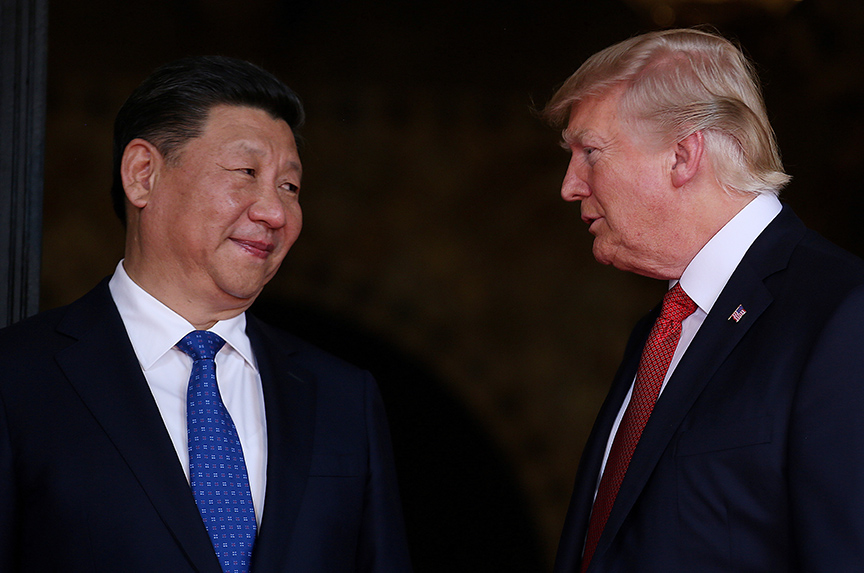
On Thursday, President Donald Trump stated that the United States is currently engaging in discussions with China regarding tariff measures. He expressed optimism that the two largest economies in the world could reach a deal to end the prolonged trade war.
“Yeah, we’re talking to China. I would say they have reached out a number of times” – Trump said in the Oval Office.
He also confirmed that the discussions came after the US raised tariffs on Chinese goods to 145%, in response to Beijing’s retaliation against the US’s sweeping reciprocal tariff policies.
b, Trump includes US troop costs in tariff negotiations with Asian allies
On the Truth Social platform, Trump stated that defense cost-sharing would be part of comprehensive trade talks with Korea. He also raised the issue of defense burdens during a meeting with Japanese officials in Washington this week.
2, Vietnam’s Response:
Ministry of Industry and Trade issues Directive 09/CT-BCT to strengthen control over product origin
On April 15, 2025, Vietnam’s Ministry of Industry and Trade issued Directive 09/CT-BCT to enhance inspection and supervision of product origin amid rising global trade tensions.
The Export-Import Department has been tasked with directing C/O-issuing bodies to strengthen both issuance and post-verification of certificates of origin (C/O), with a focus on accurately determining origin based on applicable rules, especially for goods using imported materials. Where necessary, the Department must propose measures to prevent illegal transshipment and origin fraud to safeguard the reputation of Vietnamese exports.
Reference:
- Reuters. Trump Includes US Troop Costs In Tariff Talks With Asian Allies. April 17, 2025.
- NDTV. Trump Says US “Talking” To China On Tariffs. April 17, 2025..
- ABC News. Trump says US is talking to China about a tariff deal April 17, 2025..
- Dân Việt. Bộ trưởng Bộ Công Thương ra chỉ thị “nóng” về chặn gian lận xuất xứ hàng hóa, April 15, 2025.
- Báo Đầu Tư. Bộ Công Thương yêu cầu tăng kiểm tra, giám sát xuất xứ hàng hóa trong tình hình mới. April 16, 2025
________________________________________
April 17, 2025
U.S. Raises Tariffs to 245% on Chinese Goods, Beijing Responds
On April 15, 2025 (U.S. time), President Donald Trump announced a tariff increase of up to 245% on imports from China. In response to this sharp increase, China has taken a firm stance.
1, U.S. Reaction:
Some Chinese goods now face tariffs of up to 245%, according to the White House
- On April 15, 2025, President Trump signed an Executive Order to initiate an investigation under Section 232 on processed critical minerals and derivative products.
- The United States maintains tariff rates of up to 245% on Chinese goods, including:
- 125% reciprocal tariffs
- 20% fentanyl-related surcharge
- Section 301 tariffs ranging from 7.5% to 100%
- The primary justification for this move is the U.S. allegation that China has halted exports of six heavy rare earth elements and rare earth magnets, which are strategically vital to U.S. security and technology sectors.
2, China’s Response:
In reaction to the tariff increase, China changes its chief negotiator and declares it is not afraid of a trade war.
- On April 16, 2025, the Chinese Ministry of Foreign Affairs officially responded to the imposition of up to 245% tariffs on Chinese goods.
- The Ministry’s spokesperson stated: “We don’t want a trade war, but we are not afraid of one,” while calling on the U.S. to negotiate on the basis of equality and respect.
- Also on April 16, 2025, China appointed Mr. Li Chenggang — former Vice Minister of Commerce and former WTO representative — as the new head of the trade negotiation delegation, replacing Mr. Wang Shouwen.
References:
- The White House – Fact Sheet: President Donald J. Trump Ensures National Security and Economic Resilience Through Section 232 Actions on Processed Critical Minerals and Derivative Productshttps://www.whitehouse.gov/presidential-actions/2025/04/ensuring-national-security-and-economic-resilience-through-section-232-actions-on-processed-critical-minerals-and-derivative-products-a08a/ – April 15, 2025.
- China Daily – Foreign Ministry responds to US tariff increase to 245% – April 16, 2025.
- Euro News – China appoints a new trade negotiator during tariff fight with the US – April 16, 2025.
________________________________________
April 16, 2025
Latest Update as of April 16, 2025: U.S. launches investigation into semiconductors, pharmaceuticals, and critical minerals; China orders suspension of Boeing aircraft purchases
On April 15, 2025, the United States advanced investigations into imported semiconductors, pharmaceuticals, and critical minerals. In response, China instructed domestic airlines to halt the receipt of Boeing aircraft.
1. U.S. Response
a. U.S. initiates investigation into imported semiconductors and pharmaceuticals
Starting April 14, the U.S. Department of Commerce launched national security investigations into imported semiconductors and pharmaceutical products to assess their impact on national security.
The scope of the investigations includes, but is not limited to, the following products:
- Semiconductor substrates
- Bare wafers
- Legacy and leading-edge chips
- Microelectronics
- Semiconductor manufacturing equipment (SME)
- Pharmaceuticals and active pharmaceutical ingredients (APIs)
The investigation is expected to last 270 days, with a 21-day public comment period beginning on April 16.
Previously, the U.S. had temporarily suspended tariffs on imported semiconductors starting April 5. The goal of the investigation is to establish grounds for potentially separate reciprocal tariff measures targeting the semiconductor and pharmaceutical sectors in the near future.
b. U.S. President orders national security investigation into imported critical minerals
On April 15, 2025, President Donald Trump issued an executive order directing the Department of Commerce to initiate a Section 232 investigation under the Trade Expansion Act of 1962. The investigation focuses on imported processed critical minerals and derivative products.
The Department of Commerce is required to submit its final report and recommendations to the President within 180 days of initiating the investigation.
2. China’s Response:
China orders suspension of Boeing aircraft purchases
- On April 15, 2025, the Chinese government ordered domestic airlines to suspend the procurement of aircraft equipment and components from U.S. companies.
- The government is also considering support measures for airlines leasing Boeing aircraft.
References:
- Federal Register – National Security Investigation of Imports of Pharmaceuticals and Pharmaceutical Ingredients – April 16, 2025.
- Federal Register – National Security Investigation of Imports of Semiconductors and Semiconductor Manufacturing Equipment – April 16, 2025.
- The White House – Ensuring national security and economic resilience through Section 232 actions on processed critical minerals and derivative products – April 15, 2025.
- Reuters – China orders airlines to suspend Boeing jet deliveries amid trade war, Bloomberg News reports – April 15, 2025.
________________________________________
April 15, 2025
Vietnam Considers Policy Response to U.S. Reciprocal Tariffs; US considers temporary tariff exemption for cars and auto parts
On April 14, 2025, Vietnam initiated proactive measures in response to the United States’ reciprocal tariff policies. Meanwhile, U.S. President Donald Trump announced he is considering a temporary exemption from import tariffs on automobiles and auto parts.
1, Vietnam’s Response
National Assembly to Consider Support Policies in Response to U.S. Tariffs
- Chairman of the National Assembly Trần Thanh Mẫn affirmed that the National Assembly is ready to swiftly consider support measures for businesses and citizens affected by the new U.S. reciprocal tariffs.
- Support measures may be submitted at the May parliamentary session, including tax exemption, reduction, or deferral—such as a proposed 2% VAT reduction for certain sectors and services until the end of 2026.
2, United States’ Response
a, President Trump Considers Temporary Tariff Exemptions for Automobiles and Auto Parts
- U.S. President Donald Trump stated that he is evaluating temporary relief measures for automakers, as many are transitioning to components manufactured in Canada, Mexico, and other countries.
- He did not specify the duration of the suspension or reduction of auto-related tariffs.
b, White House Orders Immediate Trade Negotiations with Three Asian Countries
- President Trump has ordered immediate commencement of reciprocal tariff negotiations with three key Asian trading partners: South Korea, Japan, and India.
- He expressed satisfaction with South Korea’s initial response and instructed aides to initiate the negotiation process without delay.
- U.S. Treasury Secretary Scott Bessent confirmed that trade talks with South Korea are scheduled for next week.
Reference:
- VnExpress – National Assembly to Swiftly Review Support Policies to Address U.S. Tariffs – April 14, 2025.
- USA Today, Auto industry could get exemptions from tariffs, Trump says, – April 14, 2025.
- Theo Yonhap News Agency, Bessent says U.S. will negotiate with S. Korea over trade next week, stresses ‘first mover advantage – April 15, 2025.
________________________________________
April 14, 2025
The US exempts reciprocal tariff on semiconductors; China confirms no further tariff hikes
1, US Action
The US exempts reciprocal tariff on semiconductor products
On April 11, 2025 (US time), President Trump issued a memorandum clarifying the exemption of reciprocal tariff on various semiconductor-related products, including hard drives, semiconductor devices, smartphones, laptops, and more.
The following HS codes are now exempt from ad valorem duties under Executive Order 14257 and related orders:
| HS Code | Description |
| 8471 | : Automatic data processing machines and their units |
| 8473.30 | : Parts and accessories of machines under heading 8471 |
| 8486 | : Machines for manufacturing semiconductors, flat panel displays, etc. |
| 8517.13.00 | : Smartphones |
| 8517.62.00 | : Equipment for transmission and reception of data, images, and sound |
| 8523.51.00 | : Solid-state non-volatile storage devices |
| 8524 | : Flat panel display modules (with or without touch screen) |
| 8528.52.00 | : Displays for use with ADP machines of heading 8471 |
| 8541.10.00 | : Diodes, other than photosensitive or LED types |
| 8541.21.00 | : Transistors, other than photosensitive, with power dissipation < 1W |
| 8541.29.00 | : Other transistors (non-photosensitive, >1W or not further specified) |
| 8541.30.00 | : Thyristors, diacs, and triacs, excluding photosensitive types |
| 8541.49.10 | : Other types of diodes |
| 8541.49.70 | : Transistors |
| 8541.49.80 | : Optical coupled isolators |
| 8541.49.95 | : Other types |
| 8541.51.00 | : Other semiconductor devices |
| 8541.59.00 | : Other semiconductor devices |
| 8541.90.00 | : Parts |
| 8542 | : Electronic integrated circuits; and parts thereof |
(According to US Harmonized Tariff Schedule – 2025 HTS Revision 9)
The HTSUS (US tariff schedule) will be updated to reflect these exemptions, which take effect from 12:01 AM (EDT) on April 5, 2025.
Refunds: Imports of semiconductors that entered from April 5, 2025, and were subject to duties will be eligible for refunds through CBP’s standard refund procedures.

2, China’s Response:
China confirms it will not impose further tariffs, even if the US raises rates beyond 145%
On April 11, 2025, China’s Tariff Commission decided to increase additional tariffs on US goods from 84% to 125%, effective April 12. However, Chinese authorities stated that US goods are no longer competitive in the Chinese market. As such, if the US continues to impose additional tariffs on Chinese goods, China “no longer cares.”
This implies that China does not intend to further escalate retaliatory tariffs in response to any new US actions.
3, Vietnam’s Response:
Vietnam officially establishes a trade negotiation team with the US
Under Decision No. 753/QĐ-TTg dated April 12, 2025, the Vietnamese Government officially formed a negotiation team led by Minister of Industry and Trade Nguyễn Hồng Diên. The team is assigned three main tasks:
- Develop trade negotiation scenarios and strategies with the US to safeguard national interests and ensure balanced outcomes;
- Engage in negotiations aimed at achieving a stable, sustainable, and mutually beneficial agreement;
- Report to the Prime Minister during the negotiation process and propose implementation policies following any signed agreement.
References:
[1] The White House. Clarification of Exceptions Under Executive Order 14257 of April 2, 2025, as Amended. April 11, 2025.
[2] VnExpress. Trump exempts countervailing duties on smartphones, laptops, and memory chips. April 12, 2025.
[3] CNN. China’s Xi breaks silence on US trade war after Trump tariffs. April 11, 2025.
________________________________________
April 12, 2025
China Imposes 125% Reciprocal Tariff on U.S. Goods
On April 11, 2025, China’s Ministry of Finance officially announced that it would impose a 125% reciprocal tariff on goods imported from the United States, effective April 12, 2025.
International reactions
China imposes 125% reciprocal tariff on U.S. goods
- China has announced that a 125% retaliatory tariff on U.S. imports will come into force on April 12, 2025.
- This move is widely seen as a countermeasure in response to U.S. President Donald Trump’s decision to raise tariffs on Chinese goods from 84% to 125%.
- During a meeting with Spanish Prime Minister Pedro Sánchez in Beijing on April 11, President Xi Jinping stated that China “does not fear” a trade war with the United States.
References:
- Reuters – China raises duties on US goods to 125%, calls Trump tariff hikes a ‘joke’ – April 11, 2025.
________________________________________
April 11, 2025
Latest Update April 11, 2025: US confirms total tariff of 145% on China, Europe postpones reciprocal measures, China firmly files complaint to WTO
On April 10, 2025, the White House confirmed the total tariff rate imposed on Chinese goods is 145%. On the same day, the Prime Minister of Vietnam decided to establish a negotiation delegation with the US led by the Minister of Industry and Trade. Meanwhile, Europe announced a temporary postponement of reciprocal tariffs against the US, while China continued to file complaints to the WTO regarding these tariff rates.
1, Response from Vietnam
Establishment of negotiation delegation led by the Minister of Industry and Trade
- On the afternoon of April 10, 2025, Prime Minister Pham Minh Chinh chaired a Standing Government meeting on responding to the new US tariff policy.
- The Prime Minister requested the establishment of a negotiation delegation led by the Minister of Industry and Trade on April 11, 2025, and the development of appropriate scenarios to ensure national interests, harmonize benefits, and share risks.
- The Prime Minister directed the Ministry of Industry and Trade, Ministry of Finance, and Ministry of Foreign Affairs to continue consulting with countries around the world. This aims to ensure Vietnam fully implements international commitments and contributes to preventing trade fraud practices.
2, Response from the United States:
a,White House confirms total tariff rate in China at 145%
- n April 10, 2025, the White House confirmed the total tariff rate imposed on Chinese goods is currently 145%.
- This tariff rate includes the new 125% tariff (issued on April 9, 2025), plus an additional 20% tariff previously imposed to respond to China in the fentanyl crisis in the United States.
b, US Treasury Secretary leads trade negotiation delegation with Vietnam
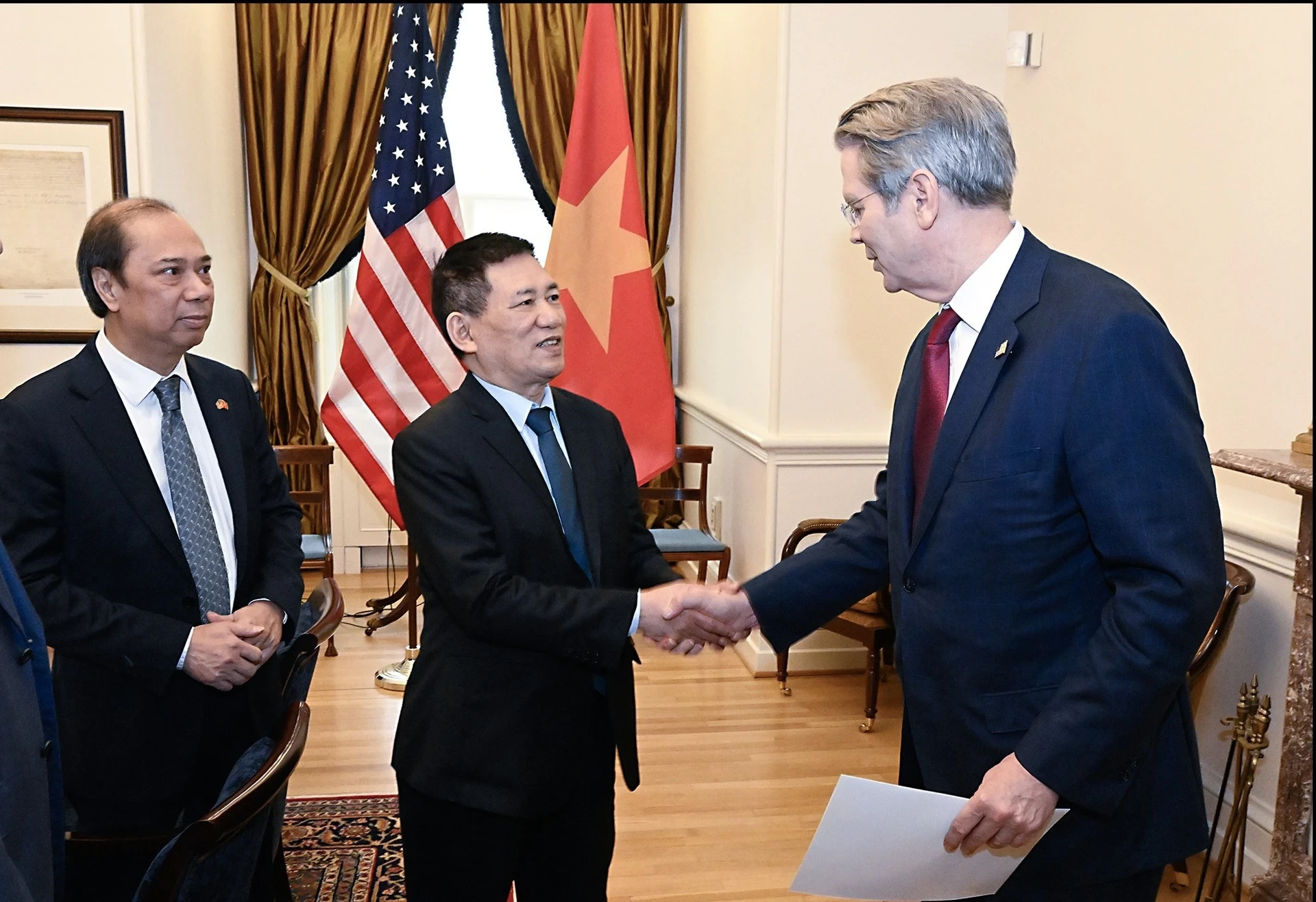
- On April 10, 2025, the US Administration appointed Treasury Secretary Scott Bessent as the head of the negotiation delegation with Vietnam.
- Mr. Scott Bessent thanked Vietnam for positively resolving US concerns and highly appreciated the two sides’ agreement to negotiate a bilateral trade agreement.
 3, Responses from countries around the world
a, China ready to respond to the end, files complaint to WTO
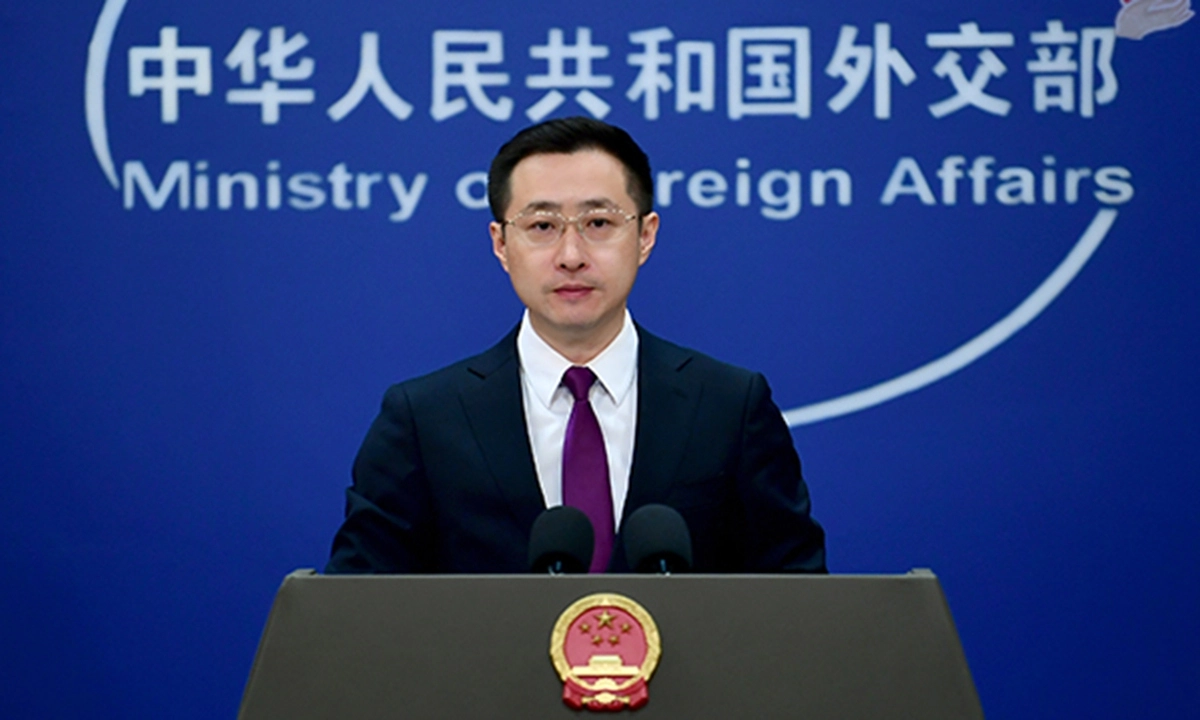
- On the afternoon of April 10, 2025, the spokesperson for the Chinese Ministry of Commerce firmly opposed and condemned the actions from the White House, emphasizing: “If negotiations are to take place, they need to be based on mutual respect and equality. If confrontation is chosen, China will respond to the end.”
- On the same day, China continued to file a complaint to the WTO regarding US tariff policies.
b, Europe postpones reciprocal tariffs to White House
- On April 10, 2025, the European Union (EU) announced it would temporarily suspend plans for reciprocal tariffs against the US following the latest move from Trump, although the EU had approved countermeasures, the bloc would postpone implementation for 90 days.
- European Commission President Von Der Leyen also stated that the EU wants an opportunity to negotiate with the US on tariffs and in case the negotiations are not satisfactory, the EU’s countermeasures will be applied.
References:
- According to VGP News – Opening the ‘steel door’ in Vietnam-US trade relations – April 11, 2025.
- According to Industry and Trade Magazine – Establishment of a negotiating delegation with the United States headed by the Minister of Industry and Trade – April 10, 2025.
- According to CNBC – U.S. tariffs on China now total 145% after latest hike, White House says– April 10, 2025.
- According to Reuters – China files new complaint to WTO over Trump tariffs – April 10, 2025.
- According to CNBC – European Union to put countermeasures to U.S. tariffs on hold for 90 days – April 10, 2025.
________________________________________
Date 10/04/2025
Latest update 10/04/2025: U.S. Suspends Reciprocal Tariffs for 90 Days, U.S.-China Tensions Escalate
At noon on April 9, 2025 (U.S. time), President Donald Trump announced a 90‑day suspension of reciprocal tariffs, reducing the reciprocal tariff rate to 10% for over 75 trading partner countries. In contrast, he imposed an immediate reciprocal tariff rate of 125% on China. Also, in the afternoon of April 9, 2025 (U.S. time), Deputy Prime Minister Hồ Đức Phớc met with the U.S. Trade Representative to negotiate a bilateral reciprocal trade agreement.
1. The U.S.’s Response:
a. U.S. President suspends reciprocal tariffs on more than 75 countries for 90 days
- President Trump announced a 90‑day suspension of reciprocal tariffs on more than 75 trading partners.
- He explained that this suspension was due to these countries’ failure to reciprocate U.S. trade measures.
- Consequently, the reciprocal tariffs on these countries (excluding China) will be reduced to 10% during this period, effective immediately.
b. US President imposes 125% reciprocal tariff on China
- The White House declared an immediate reciprocal tariff of 125% on China.
- President Trump stated that China does not respect the global market and exploits U.S. trade.
- Additionally, he expressed hope that China will eventually change its behavior, as such exploitation is unsustainable.
2. Vietnam’s Response:
Vietnam and the United States Initiate Negotiations on a Bilateral Reciprocal Trade Agreement
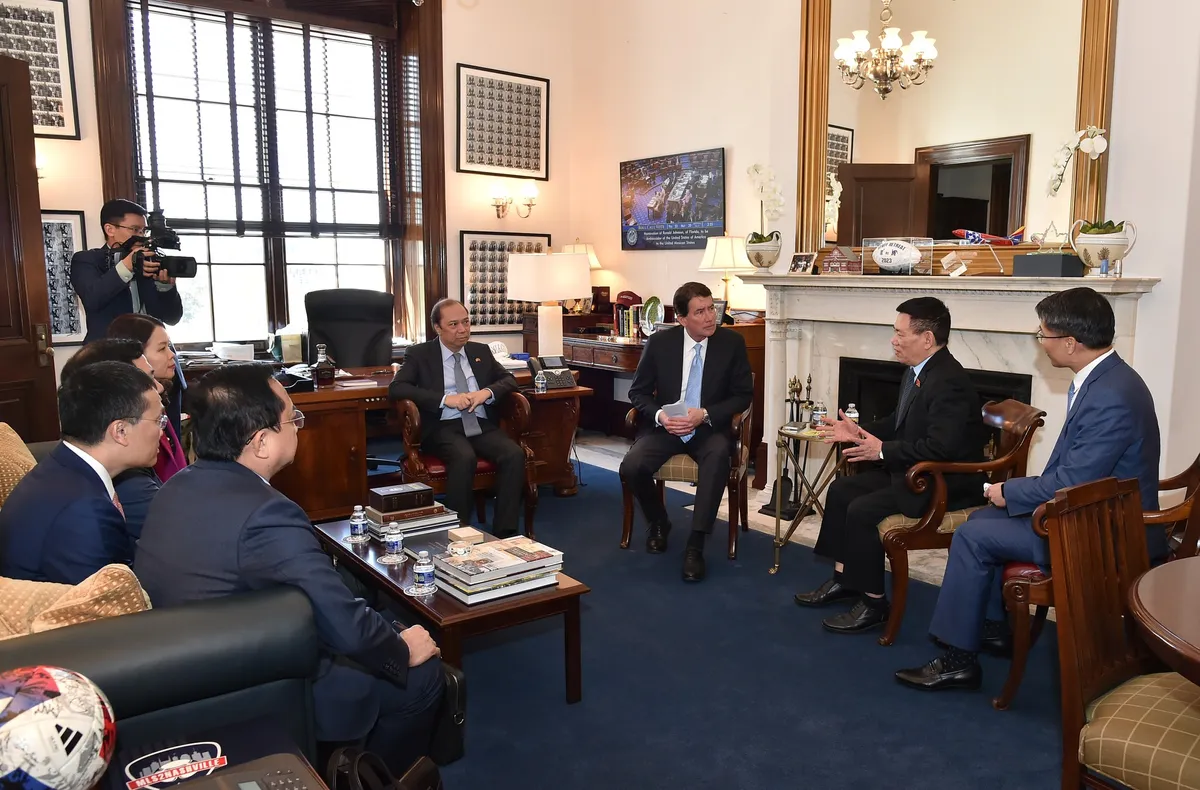
- On the afternoon of April 9, 2025, in the United States, Deputy Prime Minister Hồ Đức Phớc, in his capacity as Special Envoy of General Secretary Tô Lâm, met with U.S. Trade Representative Jamieson Greer.
- During the meeting, Viet Nam proposed the prompt commencement of negotiations on a bilateral trade agreement aimed at establishing a stable and sustainable framework, aligned with the orientation of the comprehensive bilateral partnership.
- Both sides agreed to launch negotiations on a bilateral reciprocal trade agreement, which will include commitments related to tariff arrangements.
3. Other Countries’ Response
a. China Retaliates with 84% Tariffs, Issues Export Control and Unreliable Entity Lists
- Approximately seven hours after the U.S. imposed an 84% reciprocal tariff on Chinese goods, China’s Ministry of Finance announced that, effective April 10, it would impose an 84% retaliatory tariff on U.S. imports.
- Additionally, China placed 12 U.S. companies on its export control list and 6 entities on the Unreliable Entity List, with the measures taking effect from April 10, 2025.
- China also released a White Paper on Economic Relations with the United States, emphasizing that cooperation is a mutually beneficial path and holds significant importance for the stability of the global economy.
b. EU agrees to impose first round of reciprocal tariffs on the US
- The European Union (EU) has approved the imposition of 25% reciprocal tariffs on selected goods imported from the United States, in retaliation for U.S. tariffs previously levied on EU products.
- These measures will be in effect from April 15 to December 1, 2025.
- Hungary was the only EU member state to oppose the decision to impose the reciprocal tariffs.
- According to a spokesperson for the European Commission, the EU reserves the right to suspend these measures at any time should a fair and balanced agreement be reached with the United States.
References:
According to the Vietnam Government Portal Viet Nam and the United States agree to launch negotiations on a reciprocal trade agreement – April 10, 2025.
According to Truth Social – President Donald Trump’s Statement – April 9, 2025.
According to CNN – Trump announces 90-day pause on ‘reciprocal’ tariffs with exception of China – April 9, 2025.
According to Global Times – China adds 12 US entities to export control list, adds 6 US firms to unreliable entity list – April 9, 2025.
According to The Guardian – EU to impose retaliatory 25% tariffs on US goods from almonds to yachts – April 8, 2025.
________________________________________
Date 09/04/2025
Reciprocal Tariff: Vietnam Faces 46% U.S. Duty Effective 11 AM Today (April 9, 2025)
The United States is expected to impose a 46% reciprocal tariff on goods imported from Vietnam from 11 a.m. today (Vietnam time). At the same time, the tariff on goods from China has also been raised to 104%.
1, Reaction from the Vietnamese side
Currently, the Vietnamese delegation led by Deputy Prime Minister Ho Duc Phoc is on a working trip to the United States from April 6 to April 14.
It is expected that Vietnam will continue to promote the negotiation process with the United States to soon reach a common agreement to resolve the 46% reciprocal tariff rate.

2, Reaction from the US side
a, The US is expected to impose official reciprocal tariffs on countries from 11 a.m. on April 9, 2025 (Vietnam time)
From 12:01AM on April 9, 2025 (11:01 AM on the same day Vietnam time), the United States will officially apply ad valorem reciprocal tariffs on imports from 83 countries.
Goods originating from Vietnam will be subject to an additional tariff rate of 46%, applicable under code 9903.01.72 in the US Harmonized Tariff Schedule (HTSUS).
Thus, the total new tariff rate = Original tariff rate + 46% additional reciprocal tariff.
 (Source: HTSUS Revision 7 (2025) – page 478)
This reciprocal tariff rate will replace the previous additional 10% tariff rate applied from 2025/04/05.
Exempt cases:
- Products specified in Annex II include: copper, pharmaceuticals, semiconductors, wood products, essential minerals not available in the US, energy and energy products
- Goods in transit (loaded before 12:01 AM EDT on April 9, 2025)
- Products covered by USMCA (Canada and Mexico)
- Products within the scope of Article 232 (steel, aluminum, automobiles and spare parts)
b, The US officially imposes a 104% tariff on Chinese imports
The US officially imposes a 104% tariff on Chinese imports. Also on April 9, 2025, White House Press Secretary Karoline Leavitt announced that China has refused to remove retaliatory tariffs. As a result, President Trump decided to trigger an additional 50% tariff, superimposing the previous 20% and 34% tariffs. As a result, the total tariff on goods imported from China is up to 104%.
China has previously strongly objected and vowed to retaliate if the U.S. implements new tariff measures, causing trade tensions between the two countries to continue to escalate.
Sources:
U.S. Customs and Border – CSMS # 64680374 – GUIDANCE – Reciprocal Tariffs, April 5 and April 9, 2025, Effective Dates – April 8, 2025
New Newspaper – US Customs issues notice on reciprocal tariffs – April 9, 2025
Inspectorate Newspaper – US 46% reciprocal tariff: Where is the exit for Vietnamese goods? – April 9, 2025
The People’s Republic of Vietnam Newspaper – The US imposes a 104% tariff on Chinese goods from April 9 – April 9, 2025
________________________________________
Tue 8 Apr 2025
Vietnam requests 45-Day Tariff delay, U.S. announces additional tariffs on China
On the evening of April 7, 2025, the Prime Minister of Vietnam chaired a high-level meeting to address urgent developments, notably Vietnam’s official request for a 45-day tariff delay from the United States to allow time for negotiations. Meanwhile, U.S. President Donald Trump declared additional tariffs in response to retaliatory measures from other countries.
1. Vietnam’s Response
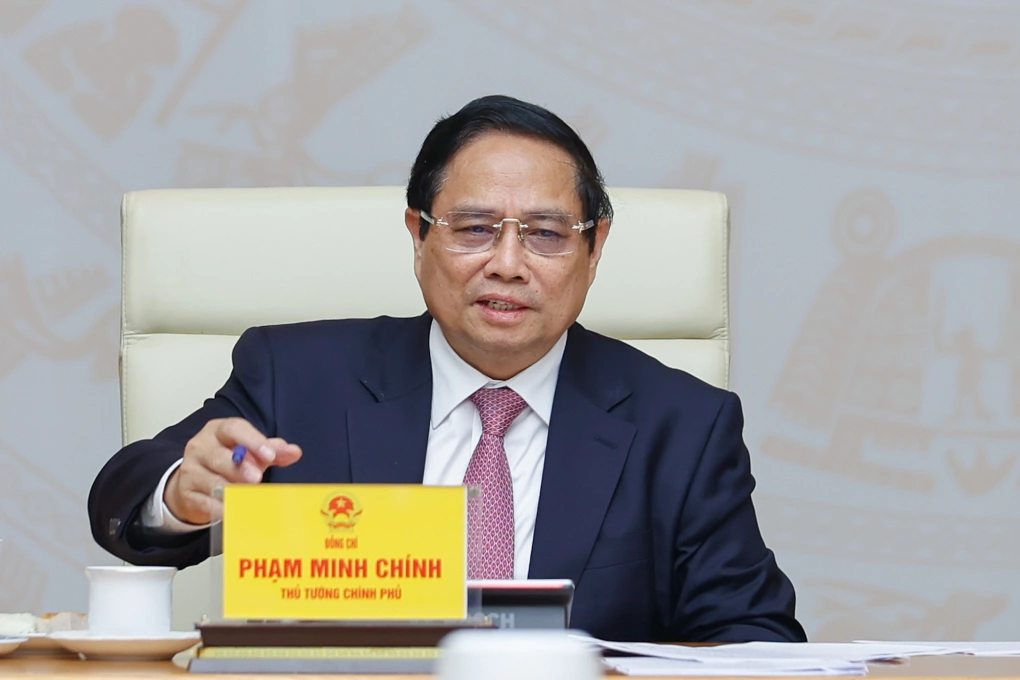
Contents of the third meeting of the Prime Minister on the evening of April 7, 2025
- The government asked the United States to postpone the imposition of tariffs for 45 days to give the two sides time to negotiate.
- Regarding tariffs, Vietnam reiterated its policy of gradually reducing import duties on U.S. goods to 0%, and called on the United States to adopt a reciprocal zero-for-zero tariff approach on Vietnamese exports.
- In terms of trade solutions, Vietnam is committed to increasing imports of U.S. goods, including items related to security and defense.
- The Prime Minister instructed ministries to strengthen monitoring and enforcement to combat trade fraud and to address U.S. concerns related to rules of origin, monetary policy, and intellectual property rights.
- The Prime Minister directed to support domestic enterprises, specifically:
- Expand preferential credit for seafood products, study credit support for industries affected by US taxes.
- Postponement, deferment of taxes and land rents for businesses facing difficulties.
- Reform the value-added tax refund process, reduce administrative procedures, avoid causing trouble.
- Research and propose tax reduction, first of all, value-added tax.
- Vietnam will continue to pursue multilateral diplomatic efforts to influence U.S. trade policy.
2. U.S. Response:
a. President Trump threatens additional 50% tariff on china if retaliation is not withdrawn
- President Donald Trump warned that a 50% additional tariff would be imposed on Chinese goods starting April 9, unless Beijing retracts its announced 34% retaliatory tariffs.
- The U.S. will cancel all negotiations initiated by China, while accelerating discussions with other countries.
- If implemented, the total effective U.S. tariff rate on Chinese goods could rise to 104%..
b. The White House denies 90-Day tariff suspension
- A White House official stated there is no plan to suspend reciprocal tariff measures for 90 days, contrary to earlier reports citing economic advisor Kevin Hassett.
- President Trump confirmed that tariffs will proceed as planned, and the U.S. will negotiate bilaterally without pausing tariff enforcement.
c. U.S. Rejects EU’s “Zero-for-Zero” Tariff Deal
- President Trump rejected the European Union’s proposal for a zero-for-zero industrial tariff agreement, stating it was “not sufficient” to warrant the removal of the existing 20% U.S. tariffs.
- He criticized the EU for “not purchasing American cars and agricultural products,” and reiterated his commitment to the “America First” trade policy.
- The President emphasized that current tariffs could remain permanent, unless fair trade agreements are reached.

Sources:
- Chinhphu.vn – Prime Minister: Vietnam requests the U.S. to delay tariffs for at least 45 days – April 8, 2025
- VnExpress – Prime Minister: Vietnam will enhance dialogue and remain confident – April 8, 2025
- Lao Dong – Preventing re-exports from third countries to the U.S. – April 8, 2025
- ABC News – Trump says he’s not looking at 90-day pause – April 7, 2025
- New York Post – Trump rejects EU’s ‘zero-for-zero’ tariff deal – April 7, 2025
- Reuters – Trump threatens additional tariffs on China, terminates talks – April 7, 2025
________________________________________
Sat 5 Apr 2025
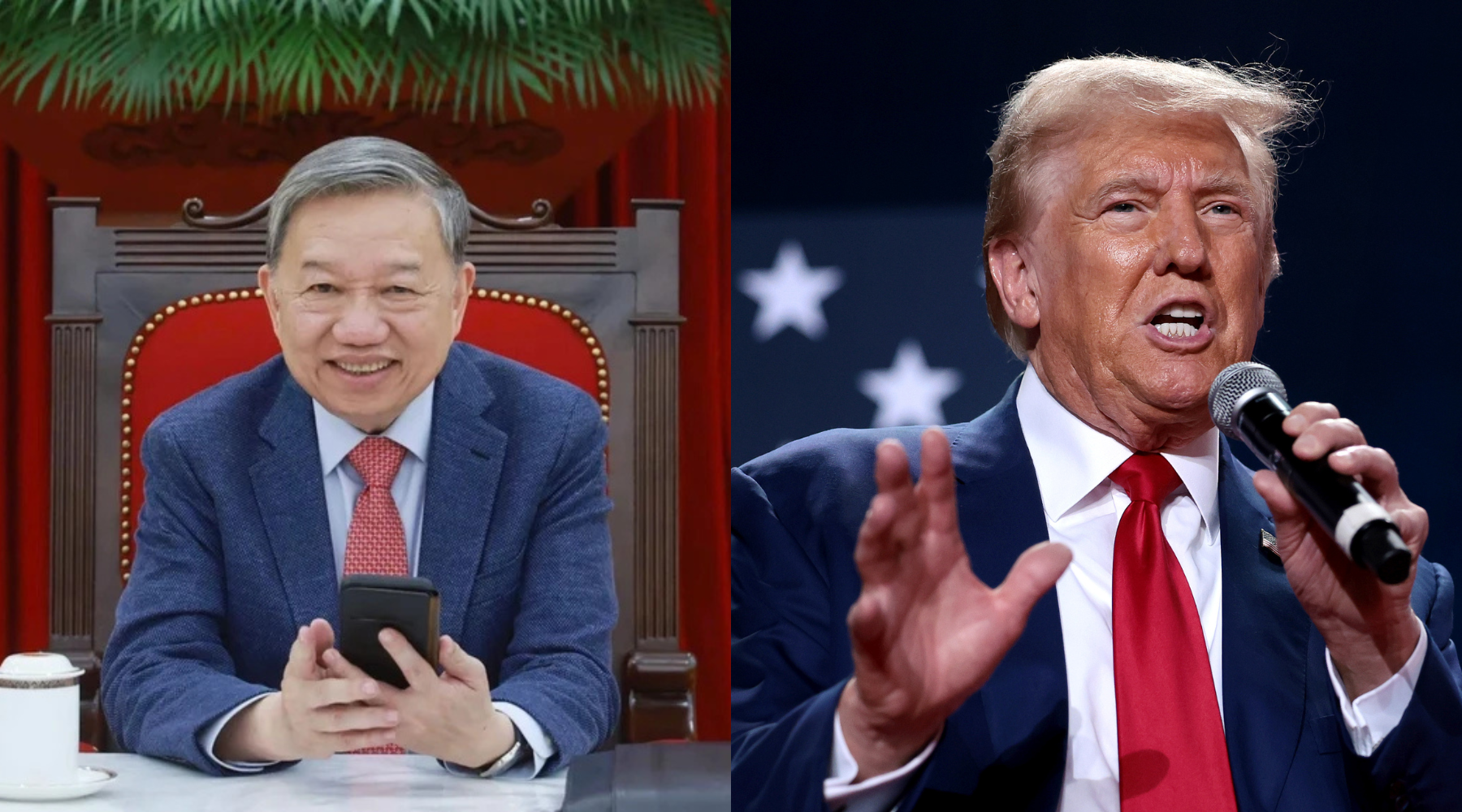
U.S. President Donald J.Trump: A very “productive” call with General Secretary To Lam
On the evening of April 4, 2025, General Secretary of the Communist Party of Vietnam, Tô Lâm, held a phone call with U.S. President Donald J. Trump.
During the call, General Secretary Tô Lâm affirmed that Vietnam is willing to engage in discussions with the United States to reduce import tariffs on U.S. goods to 0%, and at the same time, proposed that the United States apply a similar tariff rate on Vietnamese goods — in line with a Reciprocal Tariff approach.
The Vietnamese leader also emphasized that Vietnam would continue to increase imports from the United States that meet domestic demand, while encouraging and facilitating increased investment by U.S. businesses in Vietnam.
Both leaders agreed to continue discussions with the goal of soon signing a bilateral agreement to formalize these commitments.
Immediately following the call, President Trump posted on his Truth Social account: “I just had a very productive call with Mr. Tô Lâm, General Secretary of the Communist Party of Vietnam.”
Notably, Vietnam was the first country President Trump mentioned on his personal platform following an official phone call on the issue of Reciprocal Tariff.
________________________________________
Fri 4 Apr 2025
Vietnam Responds to 46% Reciprocal Tariff, Trump Sets Conditions for Reduction
1. Vietnam’s Response:
a. Deputy Prime Minister’s upcoming visit to the U.S.

Deputy Prime Minister Ho Duc Phoc
From April 6 to 14, Deputy Prime Minister Hồ Đức Phớc will attend the High-Level Policy Dialogue at Columbia University (New York), while also conducting a working visit to the United States, followed by an official visit to the Republic of Cuba.
- This trip to the United States is expected to help promote negotiations aimed at reviewing the recently announced 46% reciprocal tariff imposed by the U.S. administration.
b. Ministry of Industry and Trade sends diplomatic note requesting U.S. tariff delay
- Also, on the morning of April 3 (Vietnam time), shortly after the United States announced its new tariff policy, the Minister of Industry and Trade of Vietnam sent an official diplomatic note requesting the U.S. to temporarily suspend the implementation of the tariff decision.
- The Ministry of Industry and Trade stated that the 46% tariff lacks scientific basis and is unfair, while expressing the desire for both sides to engage in dialogue to resolve the issue appropriately.
c. Government sets up a quick response team
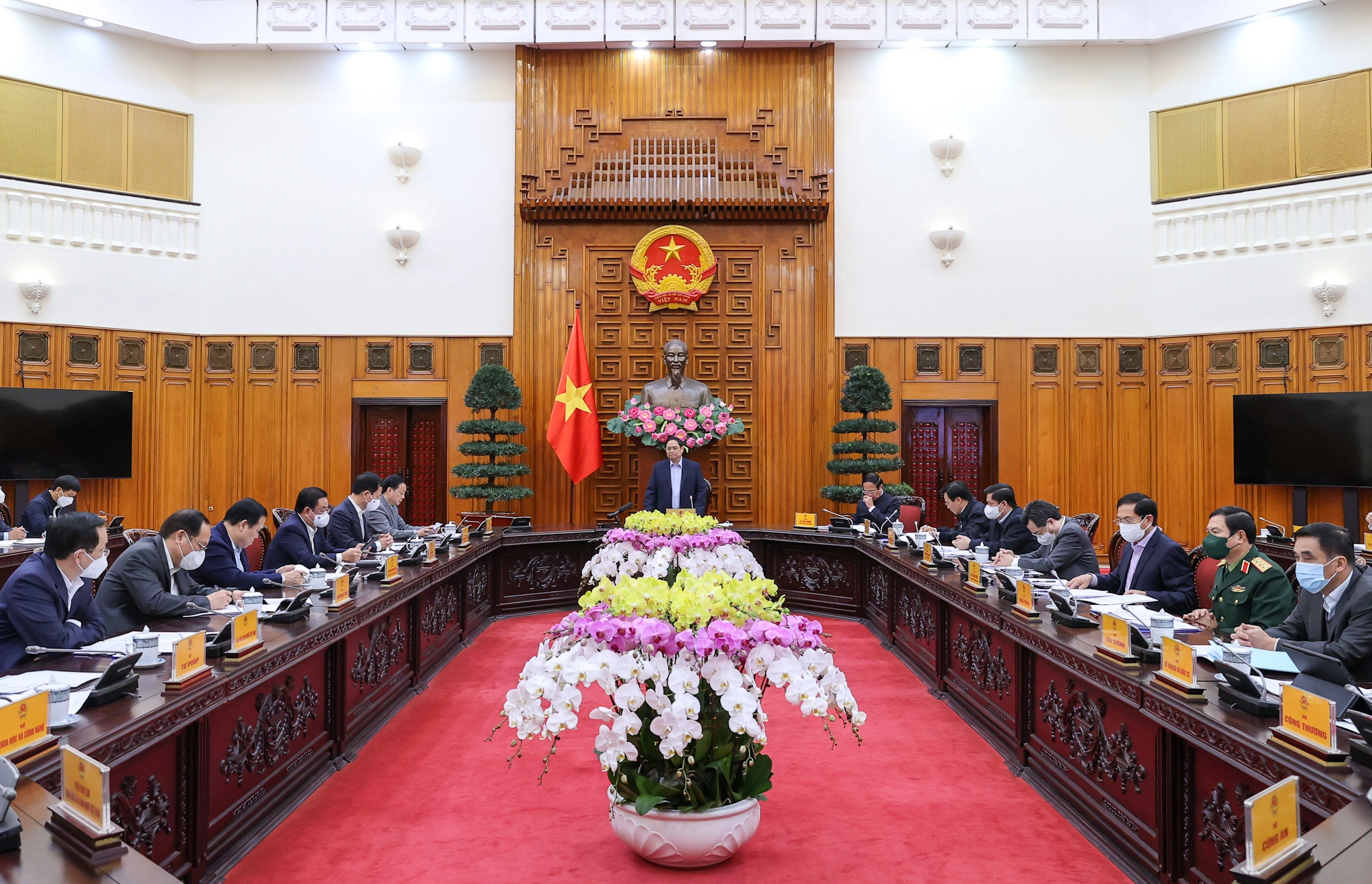
Government meeting held on the morning of April 3
On the morning of April 3, Prime Minister Pham Minh Chinh directed the establishment of a rapid response task force, led by Deputy Prime Minister Bui Thanh Son, to promptly address the impacts of the new U.S. tariff policy.
- The task force will coordinate with relevant ministries and agencies, gathering feedback from the business community, especially major exporters.
d. Vietnam’s Ministry of Foreign Affairs expresses regret over the tariff decision
- At a press briefing on the morning of April 4, the spokesperson of the Ministry of Foreign Affairs, Ms. Pham Thu Hang, expressed regret over the U.S. decision to impose reciprocal tariffs of up to 46% on Vietnamese exports.
- She emphasized that this decision does not reflect the spirit of mutually beneficial economic cooperation and the comprehensive strategic partnership between the two countries.
2. U.S. Response:
U.S. President outlines condition for tariff reduction
- Following the issuance of the new tariff order, President Donald Trump stated that any consideration of tariff reduction would only be possible if trade partners “bring something good” to the United States.
- The White House also emphasized its willingness to engage in bilateral negotiations with individual countries to adjust tariff levels based on specific circumstances.
Sources:
- Vietnam Government Portal – Vice Prime Minister Hồ Đức Phớc to visit the United States and the Republic of Cuba – April 3, 2025.
- Nguoi Lao Dong – MOIT sends diplomatic note requesting U.S. to delay 46% tariff – April 3, 2025.
- VnExpress – Vietnam regrets U.S.’s decision to impose 46% tariffs – April 4, 2025.
- VnExpress – Government establishes quick response team after U.S. announcement of steep tariffs – April 4, 2025.
- VnExpress – Trump sets condition for tariff reduction – April 4, 2025.
________________________________________
Tue 3 Apr 2025
President Trump Signed A 46% Reciprocal Tariff Decree
President Trump signed an executive order imposing a 46% reciprocal tariff on imports, significantly impacting Vietnam. In response, Vietnam swiftly adjusted its import-export taxes to mitigate the effects and explore negotiation solutions.
1.US Reciprocal Tariff Policy (Article 2):
Impose additional duties on most imports:
- Starting tariff rate: impose an additional tariff of 10% ad valorem (by value).
- Official Tariff Rates: Applicable to the countries listed in Annex I.
2. Schedule for application of US reciprocal tariffs (Article 3):
Effective time of reciprocal tariff:
- From 2025/04/05: impose additional duties on all goods (except goods in transit before this time).
- From 2025/04/09: impose official reciprocal tariffs on countries according to the tariffs detailed in Annex I.
3. Scope of application and implementation of US reciprocal tariffs (Article 3):
a. Goods subject to reciprocal tariff:
Almost any type of goods.
b. Goods are exempt from reciprocal tariffs:
(i) All goods covered by 50 U.S.C. 1702(b) (typically related to national security or humanitarian aid).
(ii) Steel, aluminium and their derivatives are already subject to duty under Article 232 of the Trade Expansion Act 1962, specifically under the Declarations:
- 9704 (2018/03/08) – Adjustment of aluminum imports into the United States.
- 9705 (2018/03/08) – Adjustment of steel imports into the United States.
- 9980 (2020/01/24) – Adjustment of imports of derivatives from steel and aluminum.
- 10895 (2025/02/10) – Adjustment of aluminum imports into the United States.
- 10896 (2025/02/10) – Adjustment of steel imports into the United States.
(iii) Automobiles and auto parts that are subject to additional tariff under Article 232, specified in Declaration 10908 (2025/03/26).
(iv) Other commodities listed in Annex II, including copper, pharmaceuticals, semiconductors, timber, certain strategic minerals, energy and energy products.
(Exempt items are listed in Annex II, enclosed with HS code, see details here)
(v) Goods from trading partners in Column 2 of the U.S. Harmonized Tariff (HTSUS).
(vi) Goods may be subject to tariffs under future measures under Article 232 of the Trade Expansion Act 1962.
Products covered by the USMCA (Canada, Mexico) and Article 232 products (steel, aluminum, automobiles, and parts), products covered in Annex II (copper, pharmaceuticals, semiconductors, wood products, certain essential minerals not available in the United States, energy, energy products) are excluded from this reciprocal tariff.
c. Tariff rates applicable to Mexico and Canada:
- Items that qualify for Canadian or Mexican origin under the USMCA will still be eligible for the incentives without additional tariff.
- Goods that are not eligible for origin under the USMCA Agreement: Subject to 25% tariff (exclusively for energy, potash from Canada: 10%).
- If previous sanctions are lifted: apply a tariff rate of 12% to goods that do not qualify for origin under the USMCA Agreement.
d. Other notes on the US reciprocal tariff policy:
- The tariff is calculated only on the non-U.S. value of the goods, provided that at least 20% of the value of the goods originates in the U.S.
- Duty exemption on low-value goods (de minimis) temporarily remains in place until the Minister of Trade announces that the tariff collection system is ready.
- The tariffs on Chinese goods will also apply to goods from Hong Kong and Macau to prevent tariff evasion through these areas.
4. Conditions for the US to adjust the reciprocal tariff policy (Article 4)
In case the US increases reciprocal tariffs
- If the country retaliates with tariffs or other measures.
- If U.S. manufacturing continues to decline.
In case the US will reduce reciprocal tariffs
If that country has remedial measures, the reciprocal trade agreement and adjust it appropriately with the U.S.
5. Vietnam adjusts import and export tariffs ahead of President Trump’s 46% reciprocal tariff
Just two days before US President Donald Trump issued a new reciprocal tariff decree, Vietnam issued Decree No. 73/2025/ND-CP, adjusting preferential import and export tariffs on several items, effective from March 31, 2025.
(See more articles about Decree 73/2025/ND-CP here).
According to this decree, the tariff rate of several important items is adjusted downwards, including automobiles, timber, ethanol, food and agricultural products.
Previously, on March 10, 2025, Vietnamese Prime Minister Pham Minh Chinh issued Directive 06/CT-TTg, requesting the Ministry of Finance to quickly adjust tariff rates for some groups of goods to ensure harmony and reasonableness, to respond to the complex and unpredictable developments of the global geopolitical and economic situation.
In his speech on February 4, 2025 on the new reciprocal tariffs, referring to Vietnam, President Donald Trump declared: “Vietnam – excellent negotiators, great people. They like me, I like them, too. But the problem is that they charge us 90% tariff.”
Urgent moves from the Vietnamese side are expected to impact the Trump administration, prompting a review of the 46% reciprocal tariff.
If this tariff is applied, this will be a big shock to Vietnam’s economy, especially severely affecting key export industries to the US such as electronics, machinery equipment, textiles, footwear, and furniture.
As expected, Vietnam and other countries will have about a week to negotiate with the US before the official reciprocal tariff takes effect on April 9, 2025.
Reference:
According to The White House – Regulating Imports with a Reciprocal Tariff to Rectify Trade Practices that Contribute to Large and Persistent Annual United States Goods Trade Deficits – April 2, 2025
Annex I – Reciprocal tariffs applicable to each country
Annex II – List of some items exempt from reciprocal tariff
The latest information about customs situation will be continuously updated in the customs newsletter of UNI CUSTOMS CONSULTING. We invite businesses to stay informed! For expert advice on customs issues, please contact this hotline +(84) 908-535-898 (Vietnamese), +(84) 902-927-767 (Korean) or send an email to the address: [email protected].