


Vietnam’s emergence as a key player in the global economy has significantly boosted trading activities and positioned itself as an appealing target for foreign manufacturers and investors.
Despite the huge benefits of free trade, there are frequently undesirable effects, such as foreign corporations exploiting improved trade conditions to dump surplus commodities on foreign markets. Given this scenario, there has been a surge in anti-dumping measures, a trade remedy that can effectively defend domestic enterprises’ commercial interests.
Understanding anti-dumping measures in Vietnam
Anti-dumping measures are imposed when a foreign company exports goods to Vietnam at prices lower than their domestic market prices or below production costs, causing material injury to domestic producers. In other words, anti-dumping regulations are designed to protect domestic industries from unfair competition by foreign producers who sell their goods below market value.
Vietnam legal framework on anti-dumping
The Vietnamese government has established regulations under the World Trade Organization (WTO) framework to address such practices and protect local industries. These regulations provide a mechanism for domestic industries to petition for anti-dumping investigations against foreign exporters. In Vietnam, anti-dumping cases are handled by the Trade Remedies Authority of Vietnam (TRAV) under the Ministry of Industry and Trade.
Anti-dumping procedures do not apply to all imported commodities. According to “Law on Foreign Trade Management 2017”, the competent authority must conduct an anti-dumping investigation and draw judgments in order to impose anti-dumping measures. Notably, these restrictions apply to alleged dumping countries, mostly targeted at exports from countries in Asia.
Anti-dumping investigation and responses
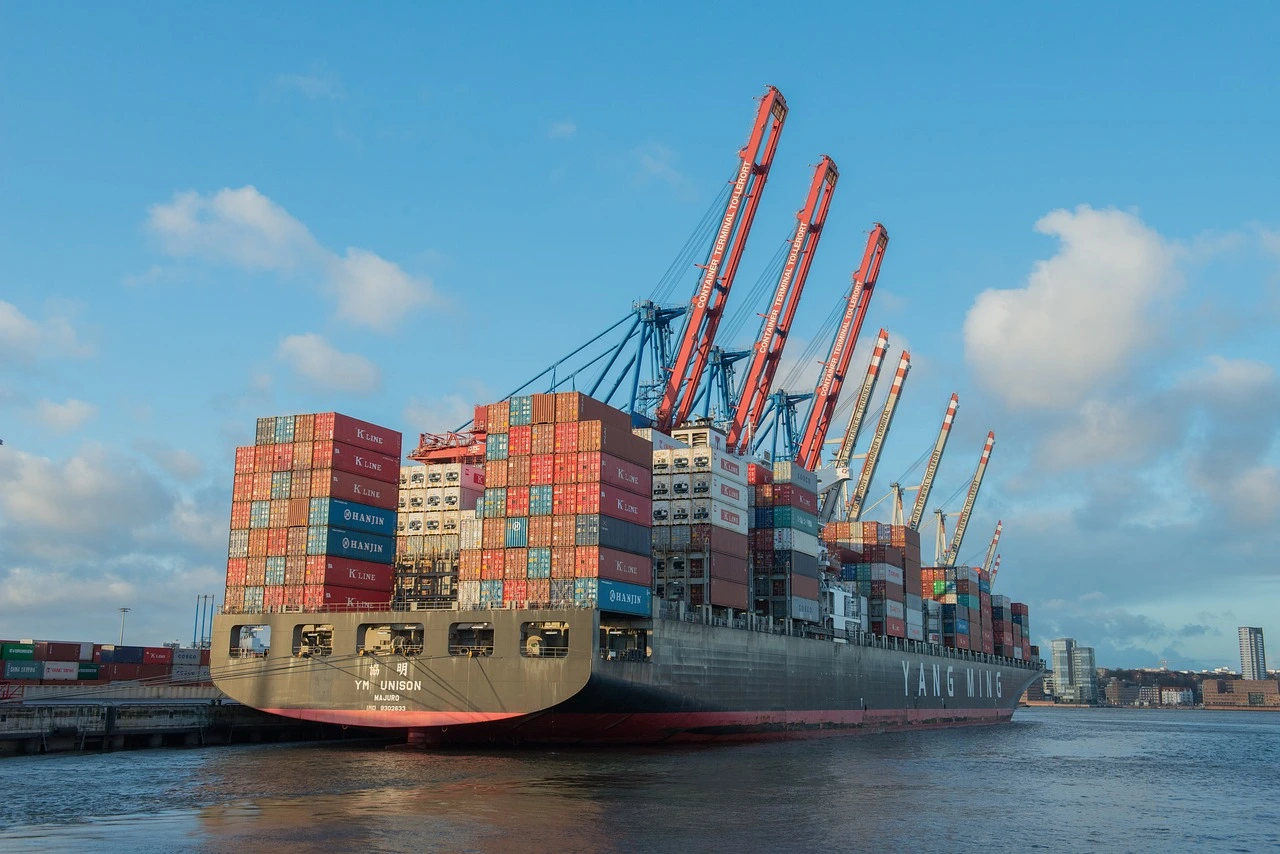
An anti-dumping probe conducted by the Ministry of Industry and Trade (MOIT) could span from 12 to 18 months.
Throughout this process, you may be required to:
- respond to the investigation questionnaire.
- furnish supplementary information upon request.
- attend both public and private hearings organized by the Trade Remedies Authority of Vietnam
- provide feedback on the draft of the final investigation conclusion.
- submit any necessary data and documents.
While anti-dumping measures serve a legitimate purpose, they can also pose significant obstacles, such as increased cost, complex regulatory, and market uncertainty for businesses operating in Vietnam. Foreign businesses in Vietnam should take proactive steps to mitigate risks and maintain competitiveness:
· Stay informed
Businesses should monitor developments in trade regulations and anti-dumping measures to anticipate potential impacts on their operations. This requires staying informed about changes in policies at both the domestic and international levels.
· Invest in compliance
Investing in robust compliance procedures can help businesses demonstrate their commitment to fair trade practices and minimize the risk of being targeted by anti-dumping investigations. The investment includes:
- Maintaining accurate records.
- Conducting thorough due diligence on suppliers.
- Implementing internal controls to detect and prevent violations.
UNI Customs Consulting takes pride in our expertise to assist clients with import/export challenges developed by global market legislation and government engagement. Our specialists have successfully advised and resolved anti-dumping cases, and we are committed to providing professional advisory services and assistance in business challenges as they enter new markets.
Contact us today to learn how we can support your business.