


Below is a collection of the latest customs newsletters on October 2024:
I. Tax Exemptions for Enterprises Affected by Storm No.03 and Flooding in Vietnam
In compliance with the directive from the Prime Minister of Vietnam on focusing efforts to address the aftermath of Storm No. 3 and post-storm flooding, the General Department of Taxation (GDT) issued Official Letter No. 4062/TCT-CS, providing guidance on measures to support enterprises suffering losses due to storms and floods. The guidance from the GDT covers the following issues:
1. Tax Payment Extension:
Tax authorities will review requests for tax payment extensions from enterprises affected by natural disasters.
The extension period for tax payment:
- No more than 2 years for cases of material damage that directly impact business operations due to natural disasters.
- No more than 1 year if the enterprise must cease operations due to the relocation of production facilities as required by competent authorities, affecting business results.
During the extension period, enterprises will not be penalized or required to pay taxes.
The leader of the tax authority will decide on the amount of tax to be paid and the extension period based on the submitted tax extension documents.
(Article 62 of the Law on Tax Administration 2019)
2. Exemption from Late Payment Penalties:
Enterprises are exempt from late payment penalties in cases of material damage caused by natural disasters.
(Article 59 of the Law on Tax Administration 2019)
3. Exemption from Administrative Tax Penalties:
If an enterprise is fined for administrative tax violations, the fine is waived in cases of damage caused by natural disasters.
The total waived fine must not exceed the value of the damaged assets or goods.
(Article 140 of the Law on Tax Administration 2019)
4. VAT Deduction:
The input VAT on goods lost due to natural disasters, without compensation from insurance, can be deducted when calculating corporate income tax. (CIT)
(Article 14 of Circular No. 219/2013/TT-BTC)
5. CIT Deductions:
Expenses that enterprises can deduct when calculating taxable income for corporate income tax include:
- Losses due to natural disasters that are not compensated.
The deductible loss amount is the remaining loss value after subtracting compensation received from insurance companies or other entities.
- Donations for disaster recovery efforts.
- Support for employees affected by natural disasters.
Enterprises can deduct up to one month’s actual average salary in the tax year.
Conditions for tax-deductible expenses:
- Directly related to business operations.
- Valid invoices and documents are required, and for transactions over 20 million VND, non-cash payment documentation is required.
(Article 9 of the Corporate Income Tax Law 2008)
6. Special Consumption Tax Reduction:
Taxpayers producing goods subject to special consumption tax that are facing difficulties due to natural disasters will be eligible for a tax reduction.
The tax reduction is based on actual losses but must not exceed 30% of the payable tax for the year in which the damage occurred, and the reduced amount must not exceed the value of the damaged assets after compensation (if any).
(Article 9 of the Special Consumption Tax Law 2008)
The GDT requests that provincial tax authorities in Vietnam guide enterprises in implementing the above tax exemption and reduction policies to promptly support those affected by Storm No. 3.
Enterprises in need of assistance are encouraged to contact UNI for detailed guidance on tax exemption and reduction procedures.
(According to Official Letter No. 4062/TCT-CS dated September 13, 2024).

II. Tax Refund for Export Processing Enterprises (EPEs) with Re-exported Imported Goods
Recently, the General Department of Customs issued Official Letter No. 4610/TCHQ-TXNK providing guidance on the refund of import duties in cases where Export Processing Enterprises (EPEs) import goods and then sell them abroad or export them to other EPEs.
The customs authority will consider refunding import duties and exempting export duties upon the request of the enterprise in cases where the EPE has paid import duties, imported goods, but must re-export those goods abroad or into a non-tariff zone (goods must not have been used, processed, or manufactured).
(According to Article 19 of the Law on Export and Import Duties 2016)
To be eligible for the tax refund, the enterprise must prepare the following documents:
- An official request for the refund of export and import duties for exported or imported goods submitted through the customs authority’s electronic data processing system (original copy).
- A value-added tax invoice or a sales invoice as regulated by law or a commercial invoice (photocopy).
- Payment documents for the exported or imported goods (if any) (photocopy).
- An export/import contract and invoices under the export/import contract for the purchase or sale of goods; an entrusted export/import contract if goods are exported or imported under an entrusted arrangement (if any) (photocopy).
- A written agreement to return goods to the foreign party in cases of returning goods to the original foreign shipper (photocopy).
- A notification from the postal or international courier service provider regarding the failure to deliver the goods to the recipient in cases of imports via postal services (photocopy).
(According to Article 34 of Decree No. 134/2016/ND-CP)
After preparing the complete dossier, the enterprise shall submit it to the customs authority where the import/export declaration was registered for tax refund consideration.
(According to Official Letter No. 4610/TCHQ-TXNK dated September 26, 2024)

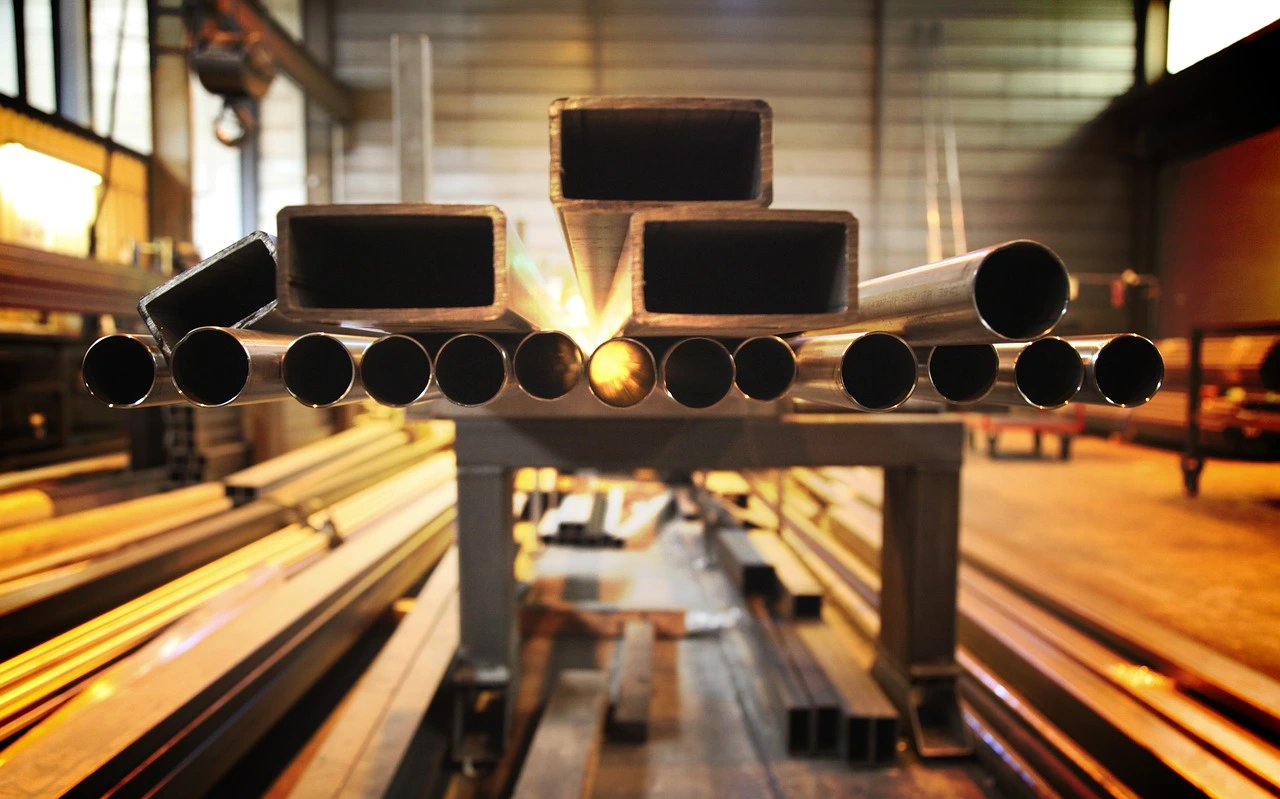
III. Thailand Initiates Anti-Dumping Investigation on Cold-Rolled Stainless Steel Products from Vietnam
1. Case Overview:
The Vietnam Trade Remedies Authority has received information regarding the Department of Foreign Trade of Thailand (the Investigating Authority) publishing an official notice of the initiation of an anti-dumping investigation concerning cold-rolled stainless steel products originating from or imported from Vietnam.
Date of Investigation Initiation: October 3, 2024
Petitioner: Posco-Thainox Public Company Limited
2. Goods Subject to Investigation:
- Characteristics of Goods: Cold-rolled stainless steel in coil, sheet, and strip forms, with a thickness ranging from 0.3 mm to 3.0 mm and a width not exceeding 1,320 mm.
- HS Codes: The goods under investigation include cold-rolled stainless steel classified under the following HS codes: 7219.32.00.020, 7219.32.00.030, 7219.32.00.040, 7219.32.00.080, 7219.32.00.090, 7219.33.00.020, 7219.33.00.030, 7219.33.00.040, 7219.33.00.080, 7219.33.00.090, 7219.34.00.020, 7219.34.00.030, 7219.34.00.040, 7219.34.00.080, 7219.34.00.090, 7219.35.00.020, 7219.35.00.030, 7219.35.00.040, 7219.35.00.080, 7219.35.00.090, 7219.90.00.000, 7220.20.10.020, 7220.20.10.030, 7220.20.10.040, 7220.20.10.080, 7220.20.10.090, 7220.20.90.020, 7220.20.90.030, 7220.20.90.040, 7220.20.90.080, 7220.20.90.090, 7220.90.10.000, 7220.90.90.000.
Period of Investigation: July 1, 2023 – June 30, 2024
Pre-Initiation Period: June 30, 2023 – July 1, 2020
Basis for Investigation:
Posco-Thainox, a major stainless steel producer in Thailand, has accused that cold-rolled stainless steel products exported from Vietnam are being dumped, with an estimated dumping margin of 10.31% of the CIF price. The Investigating Authority has found convincing evidence of material injury to Thailand’s domestic industry.
Injury Allegations:
Posco-Thainox asserts that the Thai steel industry has suffered significant harm due to the importation of cold-rolled stainless steel products from Vietnam. This harm has been evaluated based on the following:
- A substantial increase in the volume of imported steel products from Vietnam.
- The sales prices of Thai stainless steel products have been negatively affected due to competition from lower-priced imports from Vietnam.
- The production, sales, and market share of Thai steel companies have declined, leading to financial losses.
Investigation Procedure:
A questionnaire will be sent to relevant parties within 15 days of the announcement in the Royal Gazette.
Businesses that have not received the questionnaire from the Investigating Authority may submit a written request to the Department of Foreign Trade of Thailand to participate in the case and request the questionnaire within 15 days from September 26, 2024.
Interested parties have the right to submit written comments or request a direct meeting with the Department of Foreign Trade of Thailand to present their views on the anti-dumping investigation and the alleged injury within 30 days from September 26, 2024.
3. Contact Information:
Trade Remedies and Safeguard Measures Division,
Department of Foreign Trade, Thailand,
563 Nonthaburi Road, Bang Kraso Subdistrict, Mueang District, Nonthaburi Province, Thailand,
Postal code: 11000
Phone number: 0 2557 5082
Fax number: 0 2547 474
UNI, with 8 years of experience in customs consulting, providing tailored advisory services for every import-export procedures. Contact UNI for further support.
IV. Vietnam General Department of Customs Responds to Inquiries from the Korea Chamber of Business in Vietnam (KOCHAM)
In early September, the General Department of Customs (GDC) issued Official Letter No. 4218/TCHQ-CCHĐH to respond to KOCHAM regarding issues related to non-taxable goods of Export Processing Enterprises (EPE)
1. EPE leasing machinery, equipment, and molds to domestic enterprises and wanting to bring components, accessories, and materials into the domestic market for replacement, repair, and upgrade
In order for EPEs to lease and lend machinery, equipment and molds to domestic enterprises to serve export processing activities: the EPE must carry out temporary export – re-import procedures, and the domestic enterprise must carry out temporary import – re-export procedures. The machinery, equipment, and molds upon re-import must be the same goods that were temporarily exported.
(Clause 1, Article 50 of Decree 08/2015/ND-CP)
The GDC states that if the machinery, equipment, and molds after repair, replacement, or upgrade are no longer the same goods that were temporarily exported, they do not meet the conditions to carry out the above procedures.
Therefore, if the EPE needs to repair, replace, or upgrade machinery, KOCHAM should guide enterprises to carry out re-import procedures. After completing the repair, replacement, or upgrade, the machinery, equipment, and molds can continue to be leased or lent to domestic enter.
2. EPEs destroy and dismantle non-taxable machinery and equipment and recover some parts for reuse
Regarding this issue, the GDC suggests that KOCHAM guide its EPE members to note the actual process of handling machinery and equipment and the method of accounting and bookkeeping at the enterprise in accordance with the law, emphasizing:
- Regulations on EPEs importing goods for export production activities must carry out customs procedures and use them for the right production purposes.
(Article 74 of Circular No. 38/2015/TT-BTC)
- Regulations on customs procedures when EPEs liquidate hooks and equipment.
(Article 79 of Circular No. 38/2015/TT-BTC)
If the EPE wants to retain some parts for replacement or upgrade of other machinery, it must clearly state the purpose of use of these parts for the GDC to provide detailed guidance.
3. EPEs transfer indirect materials and consumer goods to domestic enterprises performing processing contracts
Regarding this issue, the General Department of Customs cannot provide specific guidance as KOCHAM’s question includes many types of goods with different customs procedures and tax policies. The General Department of Customs suggests that KOCHAM specify the question with examples to receive guidance for each specific case.
However, the GDC notes that: if the domestic processing enterprise imports indirect materials and consumables from the EPE for management and operation activities, and these goods do not directly constitute the exported processed product or do not directly participate in the processing process, they are not eligible for tax exemption.
(Clause 6, Article 16 of the Law on Import and Export Tax)
(According to Official Letter No. 4218/TCHQ-CCHDH dated September 04, 2024)

V. Chile officially issues Certificate of Origin (CO) – electronic VC form from 01/11/2024
The General Department of Customs has recently issued Official Letter No. 4342/TCHQ regarding the electronic Certificate of Origin (C/O) under the Vietnam – Chile Free Trade Agreement (VCFTA).
According to the General Department of Customs’ guidance on the electronic VC form C/O, the competent authority in Chile will pilot the issuance of the electronic VC form C/O from September 10, 2024, to October 31, 2024. During this period, paper C/O forms will only be issued in special cases. From November 1, 2024, the Chilean authorities will officially issue the electronic VC form C/O.
To verify the information on the VC form C/O, customs authorities will scan the QR code on the C/O or access the electronic information as per the lookup guide to check the information on the electronic VC form C/O.
According to the instructions, users should access the electronic information page (via the link below), update the provided username and password to perform the lookup.
( Confederation of Chilean Industry (SOFOFA))
Next, users enter the C/O certificate number, and the system will automatically display a copy of the Certificate of Origin issued and stored by the Chilean Federation of Industry (SOFOFA). Additionally, the Certificate of Origin can be verified through the QR code in box number 13.
(According to Official Letter No. 4342/TCHQ-GSQL dated September 12, 2024)
VI. Right to import lead scrap and waste batteries
The General Department of Customs received a document from the Government Office transferring the application of Ngoc Thien Co., Ltd. on the import of lead scrap and waste batteries. In this regard, the General Department of Customs has the following opinions:
- Scrap imported into Vietnam must meet environmental technical standards and must be on the “List of scrap allowed to be imported as production materials” according to Decision No. 13/QD-TTg. Currently, lead scrap is not in the list.
(According to Clause 1, Article 71 of the Law on Environmental Protection)
- Vietnamese law currently prohibits the import, temporary import, re-export or transit of waste from abroad in any form. Waste batteries (with waste codes 160112, 190601, 190603, 190604, 190605) are hazardous wastes on the “List of hazardous waste, industrial waste subject to control and general industrial solid waste” according to Circular No. 02/2022/TT-BTNMT.
(According to Clause 6, Article 6 of the Law on Environmental Protection)
The import of prohibited goods will be decided by the Prime Minister of Vietnam.
(According to Official Letter No. 4240/TCHQ-GSQL dated September 04, 2024)

VII. Draft Amendments and Supplements to Decree 08/2015/ND-CP
Continue gathering feedback on “on-spot import and export”
On August 28, 2024, the General Department of Customs (GDC) revised and supplemented several provisions of the Draft Amendment to Decree 08/2015/ND-CP. Compared to the previous draft submitted to the Government on December 27, 2022, this version includes significant changes, particularly regarding “on-spot import and export.”
Accordingly, the GDC officially proposes the repeal of Article 35 of Decree 08/2015/ND-CP, along with a transitional provision. The proposed content is as follows:
“Repeal Article 35 of Decree No. 08/2015/ND-CP
Goods traded between Vietnamese enterprises and foreign organizations or individuals without a presence in Vietnam, and designated by foreign traders for delivery and receipt with other enterprises in Vietnam, may continue to carry out on-spot import and export customs procedures for a maximum period of 1 year from the effective date of this Decree, provided that the foreign trader does not have a presence in Vietnam as defined in Clause 5, Article 3 of the Law on Foreign Trade Management.”
The Ministry of Finance’s perspective is that:
This amendment essentially abolishes the provision under Point c, Clause 1, Article 35.
- The regulation under point a concerning on-spot import and export in the form of processing remains governed by Articles 181 and 182 of the Commercial Law.
- The regulation under point b concerning on-spot import and export with export processing enterprises (EPEs) remains governed by Article 28 of the Commercial Law and Article 3.4 of the Law on Foreign Trade Management.
Enterprises may continue to follow on-spot import and export procedures for these two cases. The Ministry of Finance will soon provide specific guidance when amending and supplementing Circular No. 38/2015/TT-BTC.
This proposal was made after the Ministry of Finance gathered feedback from numerous domestic and international organizations. It also carefully studied the regulations of several countries on “on-spot import and export” and assessed the impacts of abolishing this regulation.
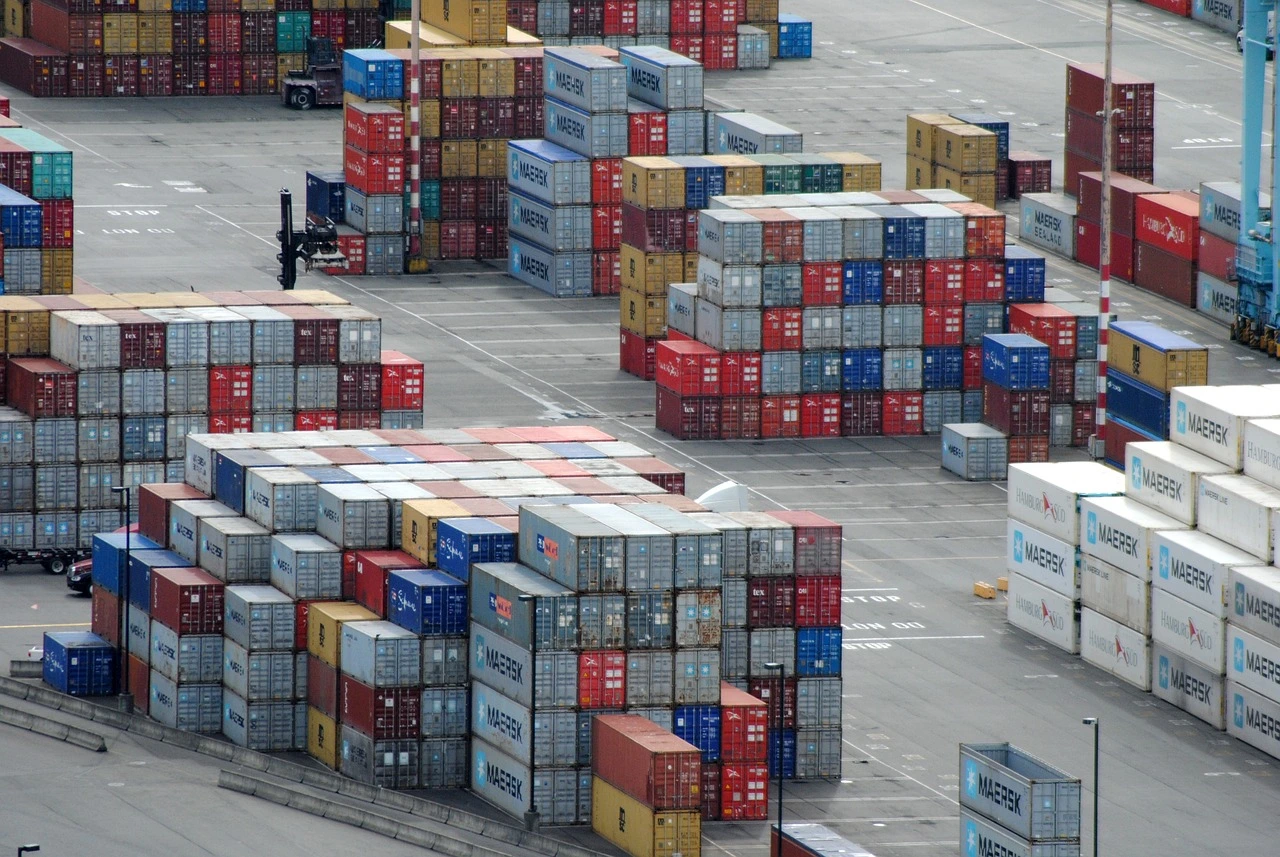
In addition to the content on “on-spot import and export,” the Draft also amends provisions on customs clearance locations; declarants; entities subject to customs inspection and supervision, preferential treatment for enterprises; customs valuation; customs procedures; and adds regulations on internal control systems; electronic customs procedures and taxes; and customs procedures and inspections for goods supplied to outbound aircraft and ships.
- Draft amendments dated August 28, 2024. See details here.
- Comparison of changes between draft versions. See details here.
- Ministry of Finance report on finalizing the draft (July 2024). See details here.
On September 6, 2024, the General Department of Customs issued Official Dispatch No. 4277/TCHQ-GSQL to notify the Business Associations about the latest amendments and supplements for consultation.
Feedback should be sent to the email address: thuyltt3@customs.gov.vn or directly to the General Department of Customs by September 16, 2024.
Contact Information
Ms. Luu Thi Thanh Thuy
Specialist, Customs Supervision and Management Department – General Department of Customs
Phone: (024) 39440833 – 8813
(According to Official Letter No. 4277/TCHQ-GSQL dated September 6, 2024)