


1. What is tax refund?
Definition of Tax Refunds:
Tax refund for re-imported exported goods is the process where the tax authority refunds the export tax that the enterprise has paid when those goods have to be re-imported back into Vietnam.
Role of Tax Refunds:
- Enhancing Cash Flow: Tax refunds help businesses recover the taxes paid, thereby improving cash flow and financial capacity.
- Reducing Financial Costs: When receiving a tax refund, businesses can alleviate financial burdens, especially during economic hardships.
- Encouraging Investment: The refunded tax amount can be used to pay off debts, purchase new equipment, or expand production activities.
- Increasing Transparency and Legal Compliance: The tax refund process requires businesses to comply with tax and accounting regulations, thereby enhancing transparency and accountability in financial management.
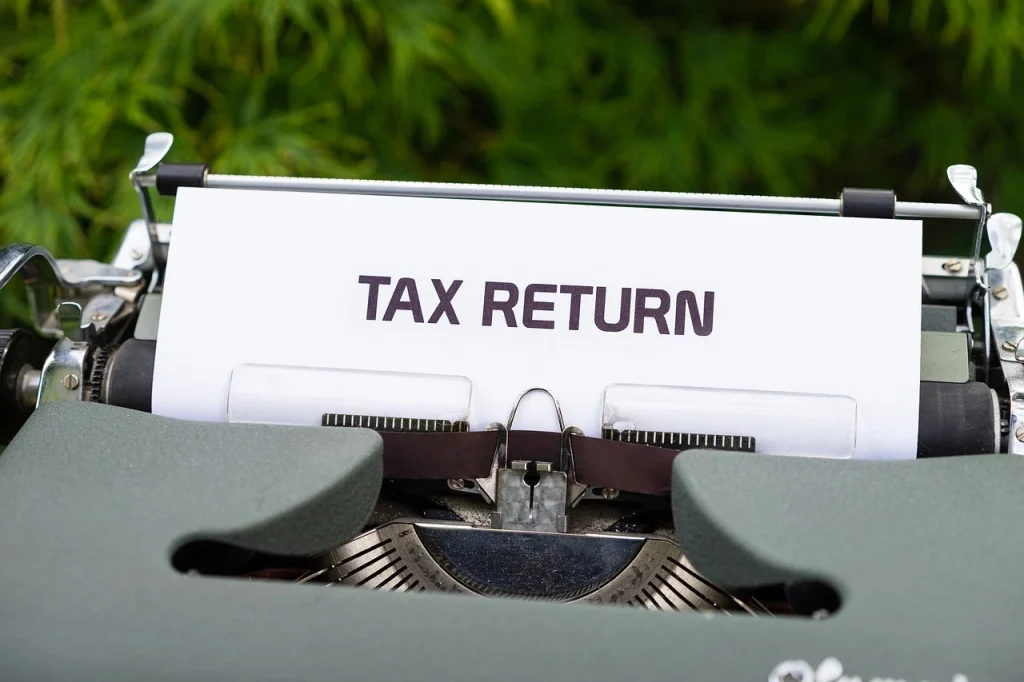
2. Cases of Export Goods Required to be Re-imported
Export goods that have paid export tax but need to be re-imported are eligible for an export tax refund and are exempt from import tax, including:
- Goods that have been exported but need to be re-imported into Vietnam;
- Exported goods sent by organizations or individuals in Vietnam to organizations or individuals abroad through postal services and international express delivery services that have paid taxes but could not be delivered to the recipient, requiring re-importation.
(According to Article 33 of Decree 134/2016/ND-CP)
3. Tax Refund Dossier for Re-imported Export Goods
Businesses should prepare a tax refund dossier including the following documents:
- Official letter requesting an export tax refund sent through the electronic data processing system of the customs authority according to Form No. 01 Appendix VIIa or Form No. 09 Appendix VII issued with Decree 18/2021/ND-CP. (original)
- Payment documents for goods (if any) (copy).
- Export, import contracts and invoices according to the export, import contracts for the case of buying and selling goods; entrusted export, import contracts if it is in the form of entrusted export, import (if any) (copy).
- Notification from the foreign customer or agreement document with the customer about receiving back the goods or notification from the carrier about the undelivered goods (clearly stating the reason, quantity, and type of returned goods).
- Notification from the postal enterprise or international express delivery service about the undelivered goods (applicable in the case of goods delivered through postal services).
(According to Article 33 of Decree 134/2016/ND-CP)
UNI, with 8 years of experience in customs consulting, providing tailored advisory services for every import-export procedures. Contact UNI for further support.
4. Detailed Procedures for Tax Refund for Re-imported Export Goods
(According to the guidance in Article 12 of Circular 06/2021/TT-BTC)
Learn more Detailed Procedures for Tax Refund for Re-exported Imported Goods.
Step 1: Submit and receive the dossier
- Businesses prepare the tax refund dossier as guided in section 3 and send it to the customs authority where the export, import declaration was registered.
- The customs authority then receives the tax refund dossier and responds through the System. In the case of paper dossiers, the customs authority will stamp the receipt and confirm in the receipt book.
- The customs authority classifies the tax refund dossier into two cases:
- Dossiers subject to pre-refund inspection
- Dossiers subject to post-refund inspection
- Within 3 days from the date of receiving the tax refund dossier, the customs authority notifies the business about the need to supplement the dossier, accept the tax refund dossier, classify the tax refund dossier, and the time limit for processing the dossier.
Step 2: Check the conditions for a tax refund
In the case of pre-refund inspection:
- Within 3 days from the date of sending the notification of acceptance of the tax refund dossier, the customs authority issues a “Decision to inspect at the taxpayer’s headquarters”.
- Within 5 days from the date of signing the above Decision, the customs authority conducts an inspection at the business’s headquarters and prepares an Inspection Decision Announcement Record.
- The customs authority then inspects all documents and records related to the tax refund dossier.
- At the end of the inspection, the customs authority must determine the amount of tax to be refunded for each type of tax, the amount of tax not eligible for refund, and the reasons for ineligibility.
In the case of post-refund inspection:
- The customs authority checks the information in the tax refund application with the information on the System to determine the tax refund conditions and the amount of tax to be refunded.
- If the dossier is incomplete, the customs authority notifies the business to supplement the necessary information.

Step 3: Issue a tax refund decision
In the case of pre-refund inspection:
- The customs authority drafts the inspection conclusion and sends it to the business.
- Within 3 days from the date of receiving the draft inspection conclusion, the business responds about agreeing or disagreeing with the draft inspection conclusion (if any).
- Within 3 days from the date the business responds, the customs authority issues the inspection conclusion.
- Issue the Tax Refund Decision.
In the case of post-refund inspection:
- If the tax refund conditions are not met, the customs authority notifies the taxpayer of the reasons for not refunding the tax through the System.
- If the tax refund conditions are met, the Tax Refund Decision is issued.
5. Legal basis
The content of this article is based on the following legal bases:
- Decree 134/2016/ND-CP: on cases eligible for export and import tax refunds and guidance on preparing tax refund dossiers.
- Law on Tax Administration 2019 on tax refund procedures.
- Circular 06/2021/TT-BTC)guiding tax refund procedures.
6. Conclusion
For export goods required to be re-imported, tax refunds help businesses reduce financial burdens when re-importing exported goods. However, the tax refund process is complex and requires businesses to prepare complete dossiers and comply with the customs authority’s inspection steps to ensure the tax refund process is smooth and compliant with regulations.
Hello everyone, it’s my first visit at this website,
and piece of writing is truly fruitful for me, keep up posting
these articles.