


In the era of global commerce, logistics plays a crucial role in helping goods flow efficiently from manufacturers to consumers. More than just transportation, logistics is a determining factor in business costs, time, and competitiveness. So what is logistics? How does it differ from import-export? Let’s explore in the article below.
1. What is Logistics?
Logistics is understood as commercial activities in which merchants organize and perform one or more of the following tasks:
- Receiving goods, transportation, warehousing, storage
- Customs procedures and other related paperwork
- Customer consulting, packaging, labeling, delivery…
All these activities are carried out based on agreements with customers to receive compensation. This clearly demonstrates the important role of logistics in modern commercial activities.
(According to Article 233 of the Commercial Law 2005)

2. Main Activities of Logistics
Logistics is the intermediate link connecting sellers and buyers, ensuring goods are transported at the right time, to the right place, and with the right quality. Main activities include:
- Goods transportation
- Warehousing and storage
- Packaging and labeling
- Customs procedures
- Order management
- Customer service
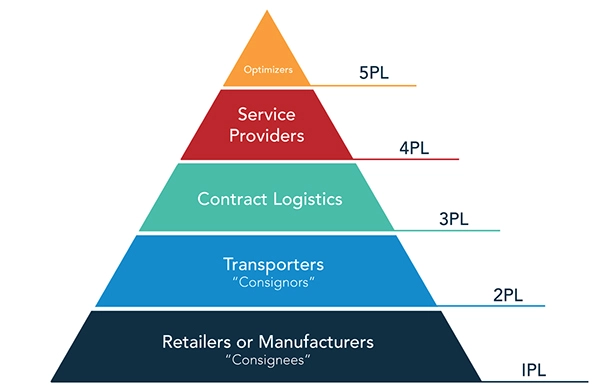
3. Common Types of Logistics
| Type | Explanation |
|---|---|
| 1PL (First-party Logistics) | Companies organize all logistics activities themselves |
| 2PL (Second-party Logistics) | Companies outsource part of logistics activities such as transport or warehousing |
| 3PL (Third-party Logistics) | Comprehensive logistics services: transportation, warehousing, customs, packaging… provided by third parties |
| 4PL (Fourth-party Logistics) | Fourth-party manages the entire logistics chain and provides comprehensive solutions |
| 5PL (Fifth-party Logistics) | Logistics integrating technology and global supply chain management, applying AI, Big Data, IoT… |
4. Role and Significance of Logistics
Logistics not only helps goods circulate but also brings many practical benefits:
Efficient goods circulation: Ensures proper schedule, reduces warehouse time, improves service quality.
Optimized operating costs: Reduces transportation, warehousing, and labor costs through technology and scientific processes.
Increased competitive advantage: Fast, punctual, and transparent delivery management helps increase customer trust.
Promotes trade and market expansion: Strong logistics is the foundation for smooth cross-border commercial activities.
5. Distinguishing Logistics from Import-Export
| Criteria | Logistics | Import-Export |
|---|---|---|
| Concept | Includes activities such as warehousing, transportation, packaging, distribution, and goods management | Commercial transactions between countries regarding goods or services |
| Scope of activities | Domestic and international | International (between countries and territories) |
| Work content | • Inventory management
• Raw material management • Transport management • Goods packaging • Warehouse management • Order processing • Customs clearance • Shipping booking and coordination • Logistics information systems… |
• Research and search for new markets and import-export partners
• Determine appropriate import-export forms for businesses • Build import-export price lists, forecast import demand • Negotiate, draft and sign import-export contracts with partners • Organize export activities according to legal regulations • Perform customs clearance procedures<br>… |
| Objectives | Optimize costs, improve supply chain efficiency | Maximize profits from international transactions |
| Target customers | Diverse: individuals, businesses, corporations | Mainly businesses with international commercial activities |
>>>Related article: What are import-export services?

Import-export and logistics are two closely connected, parallel activities. If import-export is the process of bringing goods to international markets, then logistics is the tool that ensures transportation, warehousing, and delivery are carried out according to proper procedures.
6. Conclusion
Although logistics and import-export have different scopes and objectives, they always work together in the global supply chain. Understanding the differences and connections between these two fields will help businesses build effective business strategies, optimize costs, and enhance competitiveness in the international market.
References:
- Commercial Law 2005. [Link]
- Decree 163/2017/ND-CP regulating logistics service business. [Link]
📞 Contact UNI Customs Consulting for free consultation:
📧 Email: uni@eximuni.com
📱 Hotline: +(84) 908-535-898 (Vietnamese) | +(84) 902-927-767 (Korean)