

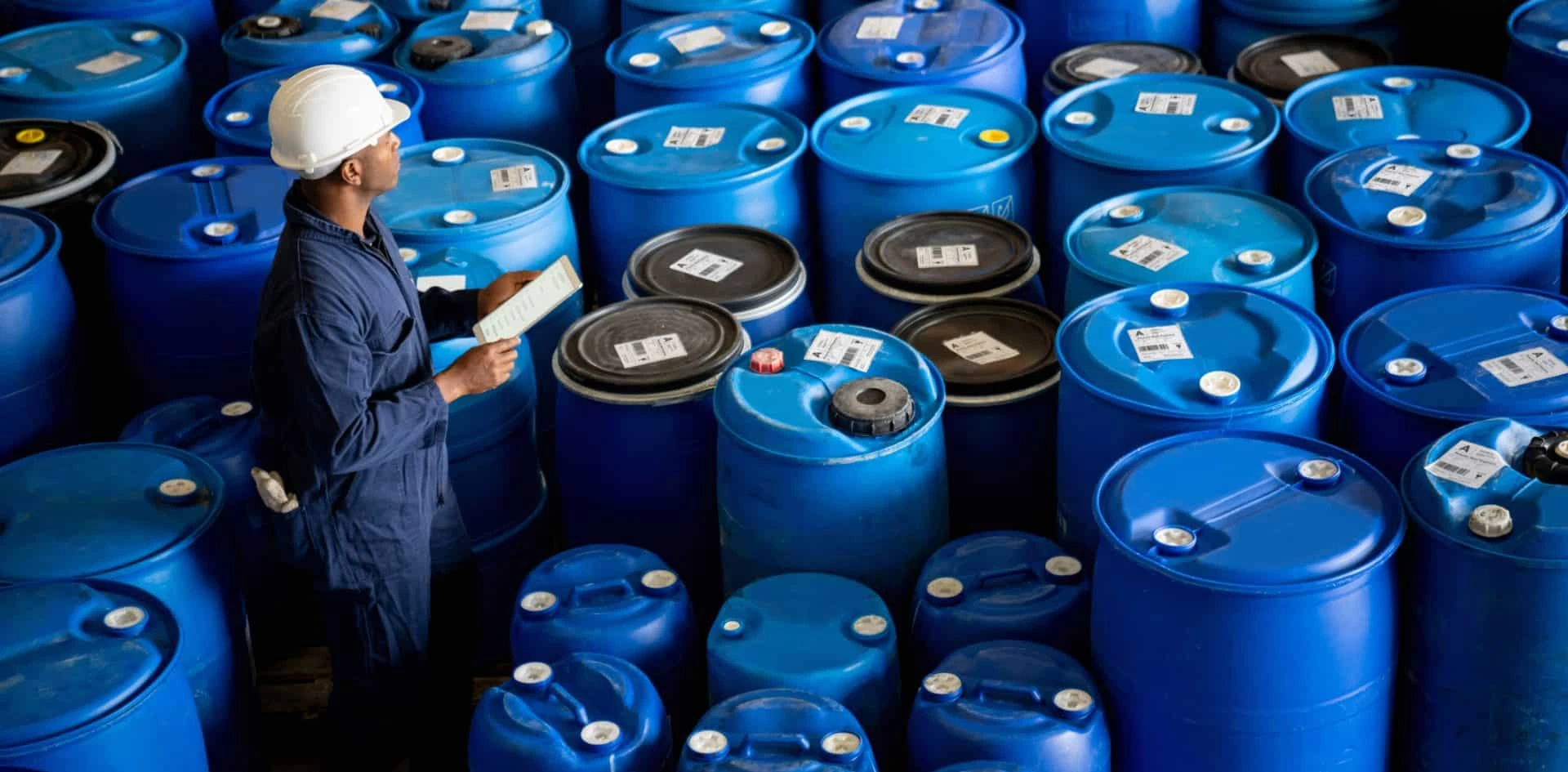
On 04/9/2026, the Ministry of Public Security issued Circular No. 154/2026/TT-BCA providing for the management, identification and traceability of chemicals subject to special control on the Electronic Identification and Authentication Platform. The Circular takes effect from 04/9/2026, establishing a mechanism for tracking chemicals throughout the supply chain through electronic data and identification codes.
In which cases is traceability required?
The Circular provides for identification and traceability on the system in cases where a Purchase and Sale Control Slip for chemicals subject to special control must be declared under the law on chemicals. Organizations and individuals wishing to manage and track chemicals and chemical products may also do so on the system.
The scope of application covers domestic and foreign organizations and individuals engaged in activities related to chemicals subject to special control in Vietnam. Chemicals serving national defence and security purposes and chemicals falling within the scope of state secrets are not governed by the Circular.
Using VNeID to initialize information and identification codes
Owners of chemical lots, batches or units use their VNeID electronic identification account to access the system, provide information and initialize the supply chain. The system automatically reconciles the data; where the information is consistent, a code is generated, and where it is not yet consistent, the system notifies the content that needs to be completed.
The two types of codes used are:
- Supply chain code: links information on the entities and activities within the same supply chain.
- Chemical identification code: attached to the traced object and represented in the form of a QR code.
Enterprises that do not yet have a GS1 Company Prefix (GCP) may still initialize identification codes using codes automatically generated by the system from the identification information of the organization or individual. Code initialization follows a mechanism of self-declaration and self-responsibility, not a dossier appraisal and approval process.
Data to be updated during operations
Traceability data includes the chemical name, CAS number (if any), origin, shipment information, quantity, weight or volume; information on the entities, licenses, customs declarations, e-invoices and arising activities.
Enterprises must update information fully, accurately and promptly, linked to the corresponding identification code. For activities that do not change the ownership or characteristics of the chemical lot, the arising information is updated into the traceability data.
The Purchase and Sale Control Slip is integrated on the system. Until such integration is completed, organizations and individuals must still prepare and retain the slip in accordance with the law on chemicals.
Incidents must be updated within 24 hours
When incidents, abnormal shrinkage, loss, compulsory destruction or safety risks arise during the storage, transportation or use of chemicals, organizations and individuals must make an electronic declaration no later than 24 hours from the time the incident is detected or arises.
Declaration on the system does not replace the obligations to notify, report and handle incidents under specialized laws. Similarly, the identification code does not replace obligations relating to labelling, administrative procedures or reporting regimes on chemicals. Enterprises need to organize the management of shipment data and assign persons responsible for updates to ensure the continuity of information throughout their operations.
(Pursuant to Circular No. 154/2026/TT-BCA dated 04 September 2026 of the Ministry of Public Security)
UNI’s related service: Chemical import procedure services.
📞 Contact UNI Customs Consulting for free consultation:📧 Email: uni@eximuni.com📱 Hotline: (+84) 24-7308-7988 (Hanoi) | (+84) 28-7301-8910 (HCM)