


“What is an export processing zone?” is a common question many businesses ask when exploring the investment, manufacturing, and export environment in Vietnam. This article will help you understand the basic concepts, operational characteristics, differences from FDI enterprises, and important notes on related procedures and policies.
1. What is an Export Processing Zone? How are Enterprises in Export Processing Zones Understood?
a. What is an Export Processing Zone?
An export processing zone is an industrial zone specialized in producing export goods, providing services for export goods production and export activities. Export processing zones are separated from outside areas according to regulations applicable to non-tariff zones as stipulated in laws on export taxes and import taxes.
(Based on Article 2.2 of Decree 35/2022/ND-CP)
In essence, an export processing zone is a special type of industrial zone, established with the purpose of promoting exports and attracting foreign investment. Unlike ordinary industrial zones, export processing zones are considered separate customs areas, where enterprises enjoy many tax incentives and other policies.
Regarding enterprise composition: Including enterprises in export processing zones, collectively called export processing enterprises.

b. Distinguishing Export Processing Enterprises and FDI
Export processing enterprises (EPE) and foreign direct investment enterprises (FDI) are two concepts that are easily confused, as both may have foreign investment capital and operate in industrial zones. However, in essence, these two types have many clear differences:
| Criteria | Export Processing Enterprise (EPE) | FDI Enterprise |
|---|---|---|
| Operating location | Must be located in export processing zones or industrial zones with isolation barriers | Can operate at any location permitted by law |
| Operating objectives | Mainly to produce export goods, not for domestic consumption | Can export, consume domestically, or combine both |
| Tax policy | Enjoy major incentives on import taxes, VAT, exemption from specialized inspections | Enjoy tax incentives depending on business sector and investment field |
| Relationship with domestic market | Transactions with domestic market are considered as export-import, must open declarations | Domestic transactions like other Vietnamese enterprises |
| Customs management mechanism | Strictly managed by customs authorities, must declare when importing-exporting goods | Not subject to customs supervision when consuming domestically |
| Investment capital | Can be foreign capital, domestic capital, or mixed | Always has foreign capital element |
Thus, it can be understood that export processing enterprises can be a special case in the group of FDI enterprises, but not all FDI enterprises are export processing enterprises. EPE are subject to special control on taxes, customs, and commercial activities to ensure proper export nature.
2. Conditions for Enterprises in Export Processing Zones
To ensure security and transparency in export processing zones, the mechanism for controlling goods and customs procedures is designed strictly.
a, Fence System and Entry/Exit Gates
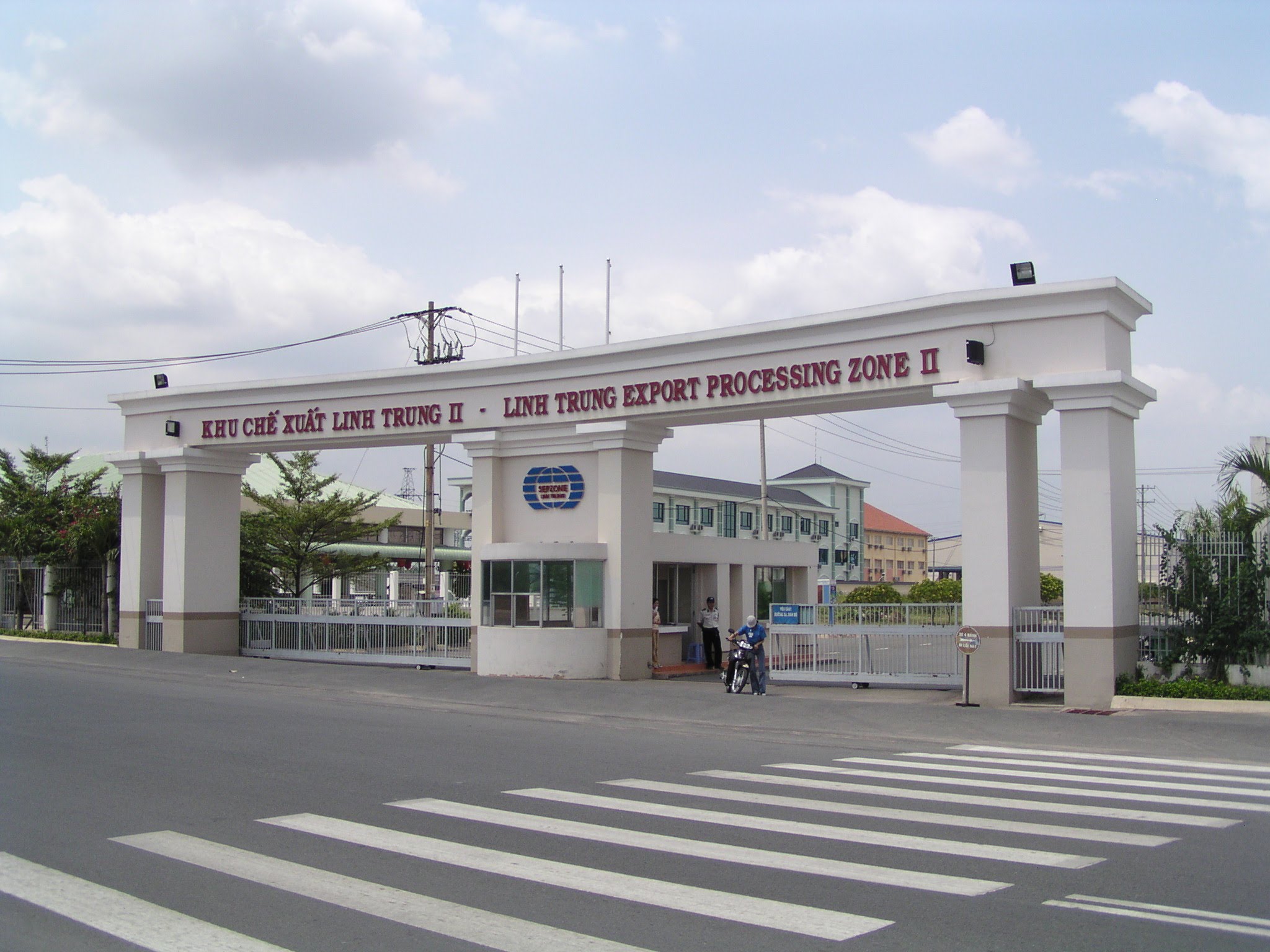
Enterprises must have solid fences separating from outside areas; have entry/exit gates ensuring that bringing goods in and out of export processing enterprises only through gates/doors.
(Article 26.2 of Decree 35/2022/ND-CP)
b, Camera System
Some typical information about camera systems required in export processing zones:
Camera installation locations:
- Entry/Exit Gates: Must ensure clear recording of license plate information, container numbers (if any) of vehicles entering and exiting enterprises in export processing zones. Vehicles passing through gates must ensure proper speed and correct lanes so cameras can record vehicle information.
- Warehouses and storage yards for raw materials, supplies, semi-finished products, finished products, scrap warehouses, waste products (if any) and other non-taxable goods: Cameras must observe the entire panorama of the enterprise’s goods storage yard.
- Surveillance cameras at warehouse/storage entry/exit gates: Cameras must clearly record activities of bringing goods in/out of storage warehouses.
- Note: Production areas, workshops, offices, etc. do not require surveillance cameras.
Camera data connection with Customs authorities
- Priority connection via Internet.
- In case of choosing connection via private transmission channel, contact customs authorities to agree on implementation.
- Enterprises proactively and are responsible for deploying camera system installation and connection solutions. After completion, must send customs authorities access accounts and methods to access camera system.
Camera system data storage:
- Storage method: Store and secure on devices at enterprises. Image storage must ensure customs authorities can access and exploit at any time when required for inspection.
- Storage time: Store at export processing enterprises for minimum 12 months.
- Storage data standards: Enterprises in export processing zones proactively choose image file extensions according to extensions supported by enterprise cameras, but must ensure technical standard regulations. Enterprises in export processing zones must provide, announce and be responsible for the accuracy of announced documents as well as camera system compatibility with minimum technical requirements stated in these regulations.
- Data exploitation requirements: Provide accounts, passwords, access rights to surveillance camera systems for customs officials to monitor. Enterprises must be ready to export and provide camera image data according to customs authorities’ management requirements.
(Decision 247/QD-TCHQ)
c, Data Management Software
Enterprises must have software for managing tax-free imported goods.
This software must track and export data to make settlement reports on import – export – inventory status of imported raw materials, supplies and quantity of products manufactured from imported raw materials and supplies to produce export goods.
(Article 28.1 of Decree 18/2021/ND-CP)
3, Customs Procedure Regulations for Goods of Enterprises in Export Processing Zones
According to Article 1.50 of Circular 39/2018/TT-BTC, customs control of goods in export processing zones is implemented as follows:
For imported goods for export production of export processing enterprises must perform customs procedures according to regulations and use for proper production purposes.
Cases exempted from customs procedures:
- Trading between two internal export processing enterprises: Buying, selling, renting, borrowing raw materials, supplies, machinery between export processing enterprises.
- Goods purchased domestically for internal construction and living: Construction materials, office supplies, food, etc.
- Internal circulation, trading between two export processing enterprises or belonging to the same group.
- Warranty goods, repair, repackaging…: If only for warranty or repair, no need to open customs declarations.
For goods imported from abroad and purchased domestically
In case enterprises in export processing zones import from abroad, plus having paid full taxes and fully implemented state management policies, when selling to domestic enterprises, no need to perform customs procedures.
However, in case export processing enterprises purchase goods from domestic sources subject to export taxes, must perform customs procedures (except when those goods are consumable supplies directly serving production).
4, Benefits of Operating in Export Processing Zones
Operating in export processing zones brings many practical benefits to enterprises, especially in the context of increasingly deep international economic integration. Below are the outstanding advantages:
Tax incentives:
Enterprises in export processing zones enjoy tax exemption and reduction policies according to regulations. Specifically:
- Import tax exemption for imported goods to create fixed assets in export processing zones. As well as import tax exemption for raw materials, supplies, components serving production in export processing zones.
(Article 2.4.c of Export Tax, Import Tax Law 2016)
- Value-added tax (VAT) exemption when selling goods to enterprises in export processing zones.
(Article 4.20 of Circular 219/2013/TT-BTC)
- Corporate income tax incentives for a certain period when operating in export processing zones.
(Appendix III of Decree 31/2021/ND-CP)
Promoting exports and attracting foreign investment
According to regulations in Decree 35/2022/ND-CP, export processing zones are understood as industrial zones specialized in producing export goods, providing services for export activities.
Therefore, export processing zones can be seen as an ideal environment for enterprises to focus on export goods production, contributing to increasing national export turnover.
At the same time, with incentive policies and modern infrastructure, export processing zones strongly attract foreign investment, promote technology transfer and enhance domestic production capacity.
Access to modern infrastructure:
Export processing zones are usually invested with modern infrastructure systems, including:
- Convenient transportation: Roads, seaports, airports near export processing zones help rapid goods transportation.
- Stable electricity and water supply systems: Ensure production activities proceed with limited interruptions.
- Waste treatment and environmental protection systems: Help enterprises in export processing zones comply with environmental protection regulations conveniently.
5, Establishing Enterprises in Export Processing Zones
a, Necessary Conditions for Establishing Enterprises in Export Processing Zones
Conditions for establishing export processing enterprises must ensure:
- Located in export processing zones or industrial sub-zones reserved for EPE.
- Solid fence system separating from outside areas, strictly controlling goods import and export.
- 24/7 surveillance cameras connected online with customs authorities, stored for minimum 12 months.
- Import goods management software for settlement reporting according to regulations.
(Article 30 of Decree 82/2018/ND-CP)
b, Process of Establishing Enterprises in Export Processing Zones
Establishment simultaneously with Investment Registration Certificate issuance:
- Submit application for Investment Registration Certificate along with customs condition commitment.
- Investment registration authority issues Investment Registration Certificate and records EPE objectives.
Establishment not simultaneously with Investment Registration Certificate:
- Submit project application and customs condition commitment to investment registration authority.
- Receive Export Processing Enterprise Registration Confirmation within 03 working days if application is valid.
Case of investment policy approval:
- Submit application for investment policy approval along with customs condition commitment.
- Investment registration authority issues EPE Registration Confirmation within 03 working days after approval document.
>>> Related article: Export Processing Enterprises (EPEs) establishment in Vietnam

6, Solutions from UNI Consulting – Accompanying Enterprises in Export Processing Zones
UNI Consulting is proud to be a partner accompanying enterprises in export processing zones, helping optimize processes and ensure legal compliance. With an experienced expert team, UNI provides comprehensive solutions for export processing enterprises, helping save time, costs and minimize risks.
a, Analysis and Assessment Services
UNI Consulting provides analysis and assessment services to ensure export processing enterprises comply with legal regulations:
- Review customs inspection and supervision systems: Assess effectiveness of surveillance camera systems, separation fences and entry/exit gates according to regulations in Decree 35/2022/ND-CP.
- Check goods management software: Ensure tax-free import goods management software operates effectively, supporting accurate import-export-inventory settlement reporting.
b, Compliance and Tax Incentive Consulting
- Tax policy consulting: Guide enterprises to properly apply regulations on export taxes, import taxes and tax incentive policies for export processing enterprises.
- Tax risk assessment: Analyze buying, selling, renting, borrowing transactions between export processing enterprises and partners to identify potential tax risks.
c, Comprehensive Customs Procedure Support Services
UNI Consulting provides comprehensive customs procedure support services for export processing enterprises:
- Guide export processing enterprise establishment procedures: Support enterprises in preparing applications, submitting commitments on capability to meet customs inspection and supervision conditions according to regulations.
- Support import-export procedures: Consult and support enterprises in performing customs procedures for import-export goods, including goods bought, sold, rented, borrowed between export processing enterprises.
- Consult on handling special situations: Support enterprises in special cases such as goods brought into and out of export processing enterprises for warranty, repair or performing some stages in production activities.
📞 Contact UNI Customs Consulting for free consultation:
📧 Email: uni@eximuni.com
📱 Hotline: +(84) 908-535-898 (Vietnamese) | +(84) 902-927-767 (Korean)